
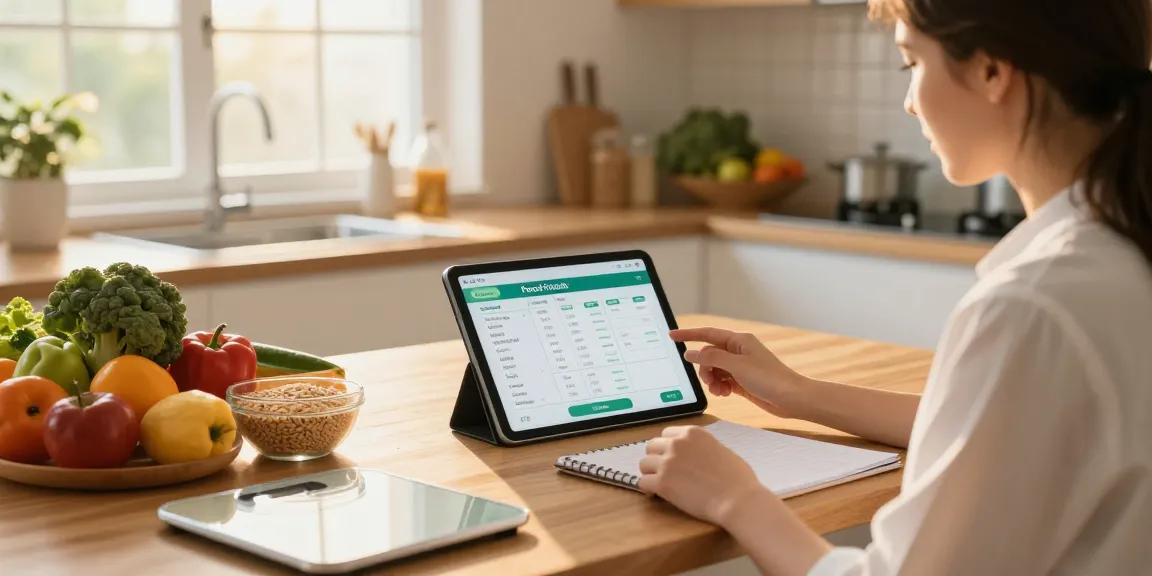
Understanding Food Tracking Apps
Food tracking apps have become invaluable tools for anyone looking to manage their diet and health more effectively. These applications provide users with the ability to log their meals, understand their nutritional intake, and set personalized goals for weight loss, muscle gain, or dietary improvement. As we dive into the world of food tracking in 2026, we’ll examine the best food tracking app options available, help you determine which one fits your needs, and explore the features that matter most.
What is a Food Tracking App?
A food tracking app is a digital application designed to help users log their food intake and analyze their dietary patterns. These applications typically allow individuals to input information about the meals they consume, track nutritional content, and assess their adherence to specific health goals. Many apps use extensive food databases to provide accurate caloric information, macronutrient breakdowns, and other dietary metrics.
How Food Tracking Apps Work
Food tracking apps function primarily by allowing users to either manually log their meals or utilize barcode scanning features to quickly input food items. Many of the leading applications also incorporate artificial intelligence to optimize the tracking experience. Users can receive instant feedback on their dietary choices, which is critical for making informed decisions. In addition to food logging, many apps offer features such as exercise tracking and integration with wearable devices, enhancing the overall user experience.
Common User Goals for Food Tracking
People use food tracking apps for a variety of reasons, including:
- Weight Loss: Many users aim to lose weight by monitoring their calorie intake and ensuring they maintain a caloric deficit.
- Nutritional Awareness: Understanding the nutritional content of food helps users make healthier choices.
- Dietary Management: Individuals with specific dietary needs, such as those following keto or vegan diets, can use these apps to ensure compliance.
- Fitness Goals: Tracking meals along with exercise routines helps users align their diet with their fitness objectives.
2026 Rankings of the Best Food Tracking Apps
As we analyze the landscape for 2026, several food tracking apps have emerged at the forefront. These apps have been rigorously tested and ranked based on user feedback and performance across various features. When exploring options, best food tracking app resources can guide you through their capabilities, helping you find the best fit for your lifestyle.
Overview of Top Apps and Their Features
The top food tracking apps for 2026 include:
- Welling: An AI-driven app that offers photo logging and personalized nutrition coaching.
- Cronometer: Known for its detailed micronutrient tracking, making it ideal for health enthusiasts.
- MacroFactor: Focuses on macro adaptability and personal energy expenditure recalibration.
- YAZIO: Features meal planning and extensive recipe resources.
- Lifesum: Offers a visually appealing interface with strong meal tracking capabilities.
- Carb Manager: Specializes in low-carb and keto diets, providing detailed food categorization.
Segment Performance Analysis
To determine the best food tracking app, we employed an extensive rubric that evaluates each application across eleven key segments:
- Accuracy of food database
- User experience and interface design
- Integration capabilities with other health tools
- Quality of coaching and feedback
- Support for dietary restrictions
Each app is scored on a 200-point rubric, ensuring that our rankings are both comprehensive and fair. This detailed analysis allows users to make informed decisions based on their unique dietary needs.
How We Rank the Best Food Tracking Apps
Our ranking methodology is straightforward yet thorough. We log thousands of real meals across various apps, comparing results against USDA data. The performance of each app is scrutinized to assess the accuracy and reliability of the information provided. Additionally, we take into account user experience, such as ease of navigation and the aesthetics of the app interface.
Essential Features to Look for in a Food Tracking App
When choosing a food tracking app, it’s critical to consider several essential features that can enhance your experience:
User Interface and Experience
A user-friendly interface is paramount. The best apps will have intuitive navigation, clear input fields, and engaging visuals that make logging meals a straightforward task. A seamless user experience encourages frequent use, which is vital for tracking progress and achieving goals.
Nutritional Database Quality
The quality of the nutritional database is another critical factor. Not all databases are created equal; some have extensive entries, while others focus on accuracy. Look for apps that prioritize verified and accurate food entries to ensure you’re logging information that reflects true nutritional values.
Integration with Other Health Tools
Integration capabilities can significantly enhance the utility of a food tracking app. Many top apps can sync with fitness trackers, health apps, and other digital health platforms, providing a holistic view of your health and wellness journey. This connectivity can streamline your tracking processes and yield better insights.
Benefits of Using Food Tracking Apps
The advantages of utilizing food tracking apps extend beyond mere calorie counting. Here are some key benefits:
Tracking for Weight Loss
One of the most common applications of food tracking apps is for weight loss. By logging food intake and monitoring caloric consumption, users can create effective weight loss plans. Many apps allow users to set specific weight loss targets and adjust their meal logging to meet these goals.
Improving Nutritional Awareness
Food tracking apps foster greater nutritional awareness among users. By analyzing their eating patterns, individuals can identify areas for improvement—such as increasing vegetable intake or moderating sugar consumption.
Setting and Achieving Health Goals
Whether your goal is to lose weight, gain muscle, or improve your overall health, food tracking apps facilitate the goal-setting process. They offer insights and feedback that help users adjust their diets accordingly, which is critical for sustained progress.
Addressing Common Myths about Food Tracking Apps
Despite their utility, misconceptions about food tracking apps persist. It’s important to separate fact from fiction to ensure users maximize their benefits.
Do Food Tracking Apps Work for Everyone?
Not every individual will benefit from food tracking apps equally. Users with specific dietary needs may find certain apps more helpful than others. However, most can glean valuable insights from their food tracking experience, given that the right app aligns with their personal goals.
Misinformation about Calorie Counting
There’s a common belief that calorie counting is ineffective or overly complicated. However, modern food tracking apps have simplified this process, making it accessible and manageable for users at all levels. Understanding calorie intake plays a pivotal role in effective weight management.
Debunking the Size vs. Quality of Food Databases
Many people assume that larger food databases equate to better accuracy. However, it’s the quality of the entries that matters most. Apps should prioritize verified, accurate food listings to enhance tracking reliability; a smaller, curated database may often outperform a larger, unverified one.
What are the advantages of food tracking apps?
The advantages include enhanced awareness of eating habits, better management of dietary goals, and the ability to analyze nutritional intake comprehensively. Users can develop healthier relationships with food by using these tools effectively.
How accurate are AI food tracking apps?
AI food tracking apps offer innovative ways to log meals, but their accuracy can vary. Many require user input to improve their performance, meaning initial logging may need adjustments. Regular use and feedback help the AI algorithms better understand individual eating habits.
Can food tracking apps help with meal planning?
Absolutely! Many food tracking apps offer meal planning features that assist users in setting up weekly meals based on dietary goals. Users can save recipes, organize shopping lists, and receive recommendations tailored to their preferences, making meal prep much simpler.
Do food tracking apps support dietary restrictions?
Most food tracking apps feature options to filter foods based on dietary restrictions, such as vegan, gluten-free, or low-carb diets. These features allow users to customize their food logging experience, ensuring they can meet their specific dietary needs without hassle.
What should I consider when choosing a tracking app?
Key considerations include the app’s nutritional database quality, ease of use, compatibility with other health tools, and available features that align with your dietary goals. Always assess your personal needs and preferences before selecting the best food tracking app for your lifestyle.

