Autonomous drones are easy to describe and hard to trust. Their next stage will depend on measured flight tasks, clear safety rules, and proof that a person can step in when the software gets it wrong.
- Flight plans will need checks against real obstacles, not open-air demos.
- Remote supervision may become the normal backup for many missions.
- Buyers will need records of failed flights, not only successful ones.
What autonomy has to handle
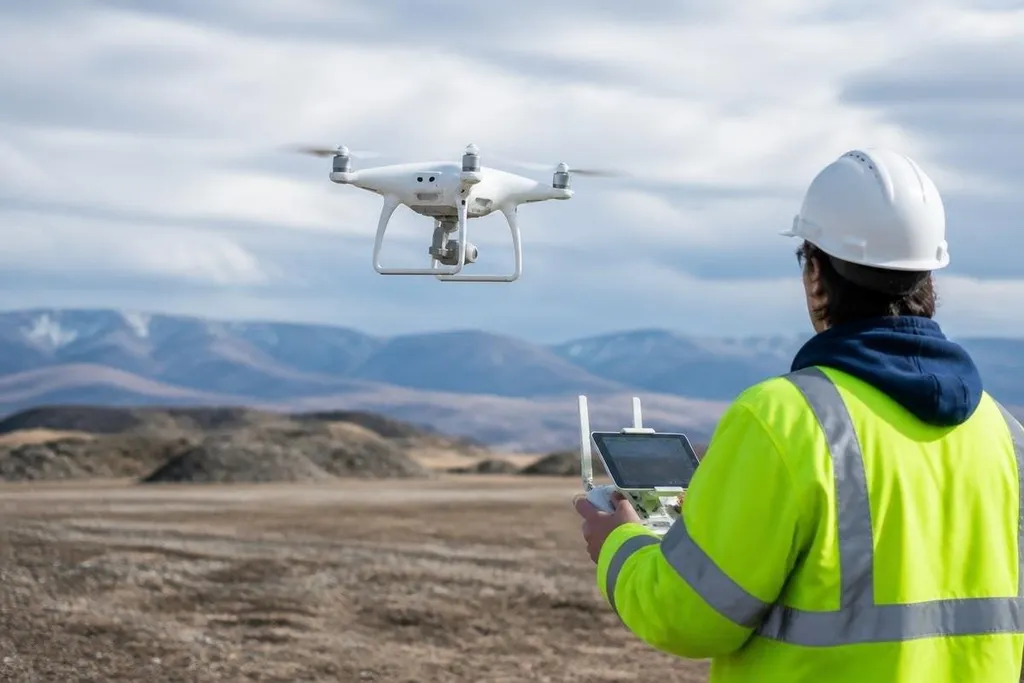
An autonomous drone must sense its surroundings, choose a route, control its motors, and respond when the planned route no longer works.
That chain matters because a drone can complete a fixed route and still fail when a tree, cable, bird, or moving vehicle enters its path.
The useful test is not whether the drone can fly alone once. It is whether the drone can repeat the task across different light, wind, signal, and landing conditions while reporting what it knows and what it cannot see.
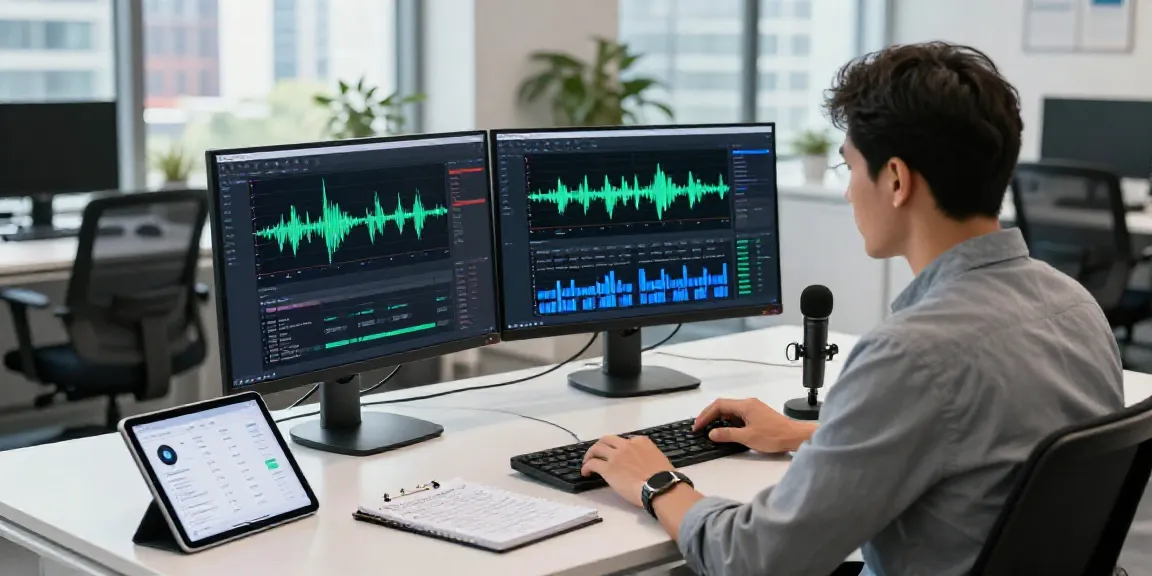
A future system may still need a remote operator. That person could set the mission, watch alerts, approve a risky change, or take control after a sensor fault. The amount of human help will matter as much as the flight itself, since a drone that needs constant correction is closer to remote control than autonomy.
The measures buyers should ask for
Public demos often show the cleanest part of a flight. A buyer needs the less polished record: how many missions ended early, how often a person intervened, and what happened after a lost connection.
Useful records could include a route length, flight time, number of human interventions, and the reason for each stop. Those are proposed checks, not claims about any current drone, but they give buyers a fair way to compare systems.
The same rule applies to obstacle detection. A drone should be tested with objects at known distances, under more than one light level, and with a clear record of false alarms. A system that stops for every harmless object may be safe but slow; one that ignores a real hazard has a more serious fault.
A smooth open-air flight says little about a drone working through wind or a lost GPS signal. Robot24.com reporting on autonomous drones can place those test conditions beside the company and system being tested. The next section looks at the limits that remain.
Where the limits will remain
Battery life will still shape many missions. So will radio range, weather, landing space, and the weight of the camera or other payload. Without verified figures for a specific drone, no honest forecast can say how far, how long, or how much it will carry.
Rules will shape the market too. A drone flying over a fenced worksite raises different questions from one moving above public roads or near homes. Operators will need records that show where the drone flew, what it sensed, and when a person took control.
Privacy creates another limit. A camera can collect images of people who were never part of the mission. A useful design should set clear limits on what the drone records, how long it keeps the data, and who can access it.
The strongest opposing view is that better sensors and software will reduce the need for human oversight. That may happen for narrow, repeatable tasks, but no evidence pack was supplied here to show that open-area autonomy works safely across wider conditions.
A practical buying check
Use this list when a vendor presents an autonomous drone for work:
- Ask for the test setting, including light, wind, obstacles, and signal conditions.
- Count human interventions per mission and ask why each one happened.
- Check the stated flight time with the planned camera and payload attached.
- Request the failure record, not only the successful flight video.
- Confirm who can take control and how long that handoff takes.
- Set a data rule for stored images, location records, and access rights.
Passing these checks may qualify a drone for a narrow job, such as repeat inspection over a fixed site. A claim of broad autonomy needs more proof than a short flight in clear space.
I'd wait before buying for general-purpose work. The next useful step is a dated test report with route time, intervention count, sensor limits, and failed-mission results; without those numbers, the future of autonomous drones is still a proposal.