Understanding Water Purification
When it comes to ensuring safe and clean drinking water, two popular methods often come under scrutiny: distilled and reverse osmosis (RO) water. Both of these purification techniques offer significant advantages over untreated tap water, yet they operate under different principles and cater to varying needs and preferences. As we delve into the distilled water purified water difference, we will explore what each method entails, their similarities, key differences, and which option might be more suitable for your daily hydration needs.
What Is Distilled Water?
Distilled water is produced through a process known as distillation, which involves boiling water to create steam. This steam is then cooled and condensed back into liquid form, effectively leaving behind dissolved solids, minerals, and contaminants. Due to this method, distilled water is characterized by its high purity level, making it an ideal choice for scientific laboratories, medical applications, and industrial uses where mineral-free water is essential.
- Purity: Distilled water is nearly devoid of impurities, including minerals and chemicals.
- Uses: Common applications include pharmaceuticals, laboratories, and certain household appliances that require mineral-free water.
- Taste: Many users find distilled water to taste flat due to the absence of minerals.
What Is Reverse Osmosis Water?
Reverse osmosis water is produced through a filtration process that forces water through a semi-permeable membrane. This membrane allows water molecules to pass while blocking larger molecules and contaminants such as salts, heavy metals, and specific chemicals. Most modern RO systems incorporate multiple filtration stages, including sediment and activated carbon filters, which enhance the overall purity of the water. This multifaceted approach not only purifies but also improves the taste of the water, making it suitable for everyday consumption.
- Filtration: RO effectively removes contaminants, including chlorine, lead, and certain bacteria.
- Uses: Ideal for drinking, cooking, and food preparation in homes and commercial environments.
- Taste: RO water is generally perceived as fresher and better tasting than distilled water.
Similarities Between Distilled and Reverse Osmosis Water
Both distilled and reverse osmosis water treatment systems deliver water that is remarkably cleaner than standard tap water. They effectively reduce a wide array of contaminants, including:
- Chlorine and chloramines
- Heavy metals, such as lead and arsenic
- Volatile organic compounds (VOCs)
- Some bacteria and viruses
Though the methods used to achieve purification differ significantly, both types of water serve as more sustainable alternatives to bottled water, contributing to reduced plastic waste and lower carbon footprints.
Key Differences Between Distilled and Reverse Osmosis Water
Purification Methods Explained
The fundamental distinction between distilled and reverse osmosis water lies in their purification processes. While distillation relies on heat to evaporate water and condense the steam, reverse osmosis utilizes pressure to push water through a membrane. This difference leads to various operational efficiencies, costs, and practicality:
- Operational Speed: RO systems generally provide water more quickly than distillation systems, which often produce water in small batches.
- Energy Efficiency: Reverse osmosis systems typically consume less energy compared to the longstanding boiling process of distillation.
- Maintenance: RO systems require filter changes and maintenance, while distillers may need cleaning to remove mineral buildup.
Taste and Usability
Taste plays a critical role in water consumption. Due to the absence of minerals, distilled water often presents a flat taste, which can be less appealing for everyday drinking. On the other hand, reverse osmosis water can retain trace minerals or even add them back through a remineralization stage, enhancing its taste and making it more suitable for beverages such as tea and coffee. Users looking for water that not only meets purity standards but also offers a pleasant taste may prefer reverse osmosis.
Energy Efficiency Comparisons
Energy efficiency is a pivotal consideration when selecting a water purification system. Distillation requires continuous heating—resulting in higher energy consumption (approximately 0.7–1.0 kWh per liter produced), whereas reverse osmosis uses considerably less energy (typically under 0.05 kWh per liter). This makes RO systems more sustainable for continuous household use and an advantageous option for consumers focused on minimizing their utility bills and environmental impact.
Why Distilled Water Isn’t Ideal for Daily Drinking
Lack of Essential Minerals
One important point to note is that distilled water lacks essential minerals such as calcium and magnesium. These minerals play a vital role in maintaining health, and consistent consumption of distilled water may lead to mineral deficiencies over time. For those relying solely on distilled water, supplementation through diet or mineral additives might be necessary to offset these potential deficiencies.
Potential Health Implications
Long-term consumption of distilled water can lead to health implications due to its mineral-depleted nature. While it is safe to drink in moderation, relying on distilled water exclusively may not provide the necessary nutrients for optimal health. It’s essential to consider other dietary sources of minerals or choose a water purification method, like reverse osmosis, that maintains some mineral content.
Recommended Usage Scenarios
Given its characteristics, distilled water is best suited for specific scenarios rather than as a daily drinking option. It is ideal for:
- Medical applications requiring sterile conditions
- Laboratory experiments where mineral-free water is crucial
- Certain appliances, like steam irons, that can benefit from mineral-free water to prevent scaling
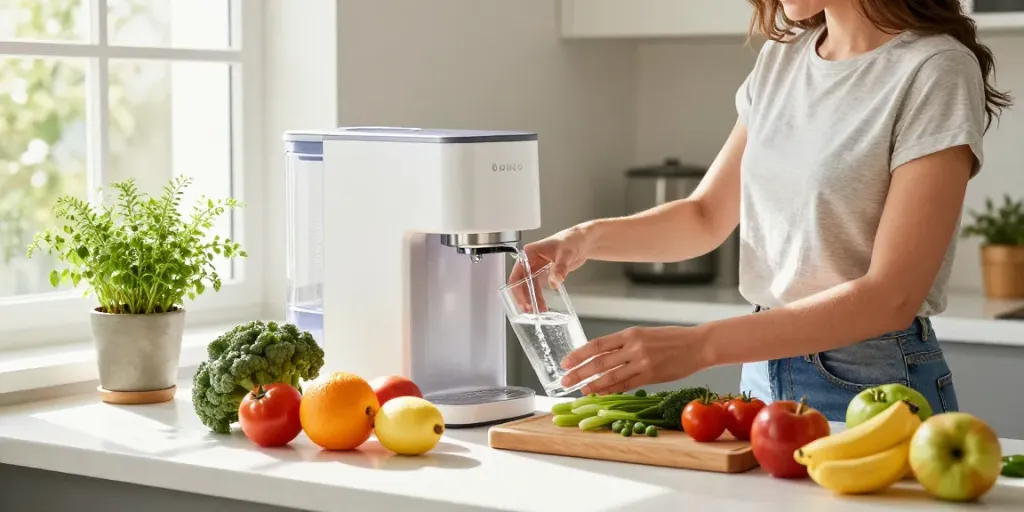
Countertop Reverse Osmosis Systems: The Best Solution
Benefits for Apartments and Rentals
Modern living often requires flexible solutions for water purification, particularly in rental apartments where installation options may be limited. Countertop reverse osmosis systems stand out as a viable choice, offering the following benefits:
- No Installation Needed: These systems can be set up without plumbing modifications or landlord approval.
- Portability: They can be easily moved or relocated, making them ideal for renters or those with mobile lifestyles.
- Quick Access: Users can obtain filtered water instantly, which is convenient for daily hydration and cooking needs.
Installation and Maintenance Ease
Countertop RO systems are designed for user convenience, often featuring simple plug-and-play setups. Maintenance usually involves periodic filter changes and occasional cleaning, which can be easily managed with minimal technical expertise. This ease of use promotes consistent water purification without significant disruptions to daily routines.
Cost-Effectiveness Over Time
Although the initial investment for a quality RO system might be higher than purchasing bottled water, the long-term savings are substantial. By reducing the reliance on bottled products, households can see significant reductions in their monthly spending on water, while also enjoying a continuous supply of high-quality drinking water.
Future Trends in Water Purification Systems
Technological Innovations Expected by 2026
The landscape of water purification is continuously evolving, driven by technological advancements. By 2026, we can anticipate several innovations that promise to enhance the efficiency and functionality of purification systems:
- Smart Home Integration: Future systems will likely incorporate smart technology, allowing users to monitor and manage water quality through mobile applications.
- Enhanced Filtration Techniques: Continuous improvements in filtration technology may lead to even higher purification standards, addressing more contaminants effectively.
Shifts in Consumer Preferences
As consumers become more environmentally conscious, preferences are shifting towards more sustainable options. This includes a growing inclination for systems that minimize water waste and energy consumption. Providers will need to adapt by emphasizing eco-friendly practices and product features.
Environmental Considerations and Sustainability
With the push towards sustainability, water purification technologies will evolve to meet the demand for greener solutions. Innovations that allow for the recycling of wastewater or increased energy efficiency will be critical as environmental concerns are at the forefront of consumer decisions.
What Are Reverse Osmosis Systems Best For?
Reverse osmosis systems excel in providing clean, safe drinking water while retaining essential minerals when necessary. They are suitable for:
- Everyday hydration
- Cooking and food preparation
- Reducing limescale buildup in coffee machines and kettles
Is Reverse Osmosis Water Safe for Daily Drinking?
Yes, reverse osmosis water is generally safe for everyday consumption across various regions, including the EU. It effectively reduces harmful contaminants while maintaining water quality, making it a reliable choice for health-conscious consumers.
How to Maintain Your Water Purification System?
To ensure optimal performance of your water purification system, follow these maintenance tips:
- Regularly replace filters according to the manufacturer’s recommendations.
- Inspect the system for leaks or malfunctions periodically.
- Clean the system components as suggested to avoid bacterial growth.