Understanding the Role of Manhattan Construction Manager
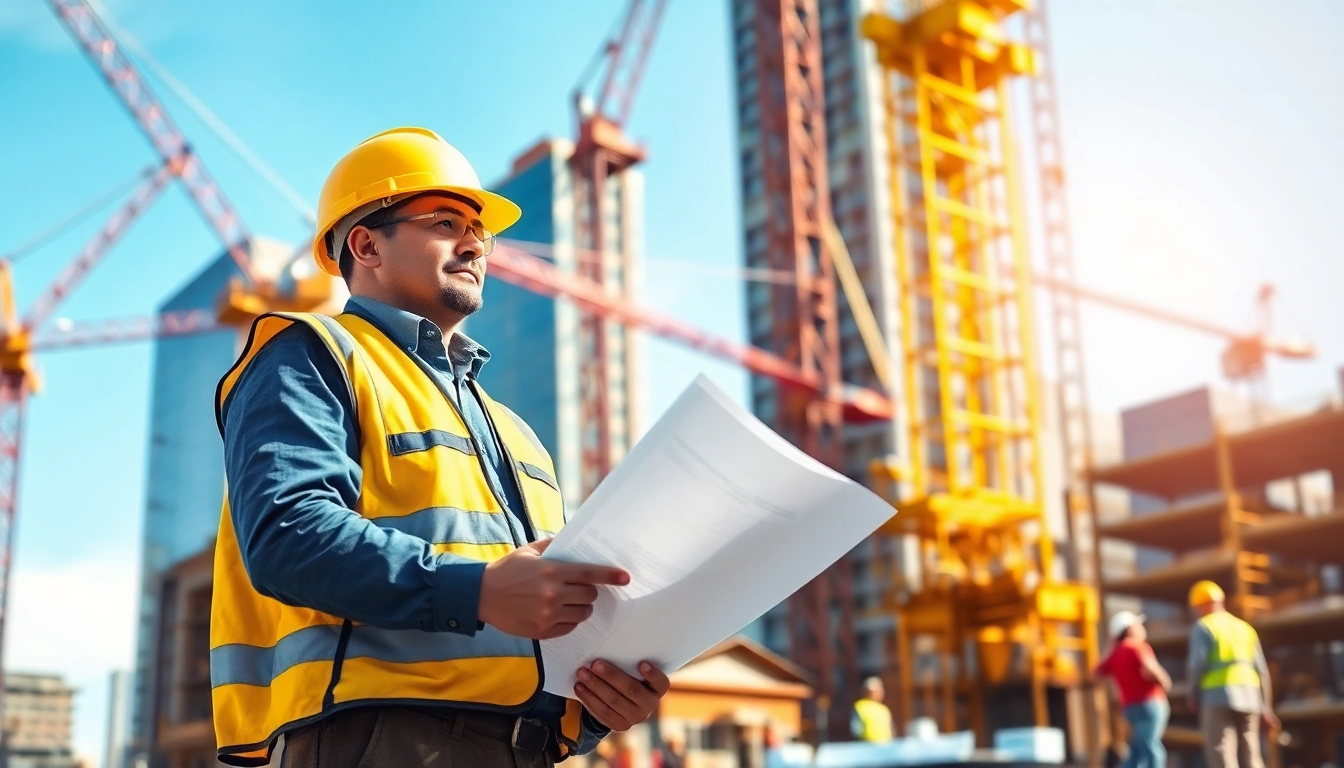
The role of a Manhattan Construction Manager is pivotal in steering construction projects towards successful completion. This professional is the cornerstone of effective construction management, overseeing every aspect of a project, from inception to delivery. They are responsible for ensuring that projects adhere to budgets, timelines, and regulatory requirements, all while maintaining high standards of quality and safety.
Key Responsibilities of a Manhattan Construction Manager
A Manhattan Construction Manager wears many hats, and their responsibilities can range widely based on project size and complexity. Key tasks include:
- Project Planning: Developing comprehensive project plans that outline stages, timelines, and resource allocation.
- Budget Management: Creating and managing project budgets, ensuring cost-effective allocation of resources and materials.
- Supervision: Overseeing the work of subcontractors and employees, ensuring adherence to quality and safety standards.
- Communication: Acting as the primary point of contact for clients, architects, engineers, and other stakeholders to ensure clarity and direction.
- Problem-Solving: Addressing and resolving issues that arise during construction, from delays to resource shortages.
Essential Skills and Qualifications Needed
To excel as a Manhattan Construction Manager, a blend of technical knowledge, interpersonal skills, and industry experience is crucial. Essential skills include:
- Leadership: The ability to motivate and guide a diverse team towards a common goal is essential.
- Communication: Strong verbal and written communication skills are necessary for effective collaboration and reporting.
- Problem Solving: Quick thinking and the ability to adapt to unforeseen challenges are vital in the fast-paced construction environment.
- Technical Knowledge: A solid understanding of construction processes, materials, and regulations is fundamental.
- Project Management: Proficiency in project management methodologies and tools to ensure projects stay on track.
Daily Tasks and Challenges Faced
Every day presents unique tasks and challenges for a Manhattan Construction Manager. These can include:
- Conducting site inspections to monitor progress and adherence to architectural plans.
- Meeting with clients to provide project updates and gather feedback.
- Negotiating contracts with suppliers and subcontractors to attain the best value.
- Coordinating schedules to maintain workflow and prevent downtime.
- Staying updated on all safety protocols and regulations to mitigate risks.
The Importance of Effective Communication in Construction Management
Effective communication is the backbone of successful construction management. It ensures that everyone involved in the project is on the same page and that issues are addressed promptly.
Building Relationships with Stakeholders
Building and maintaining relationships with stakeholders, including clients, subcontractors, and team members, is essential. This can be achieved through:
- Regular check-ins to provide updates and discuss any concerns.
- Creating transparent reporting systems that keep all parties informed.
- Encouraging feedback and being open to suggestions or concerns raised by stakeholders.
Utilizing Technology for Efficient Communication
In today’s construction landscape, utilizing technology can enhance communication and project management. Tools such as project management software and mobile apps can streamline communication by allowing for:
- Real-time updates on project status and changes.
- Document sharing and secure storage to keep vital information accessible.
- Instant messaging features that enable quick resolution of issues.
Conflict Resolution Strategies
Conflicts can arise in construction due to different stakeholder opinions, unforeseen circumstances, or miscommunications. Proactive conflict resolution strategies include:
- Encouraging open dialogue where all parties can express their viewpoints.
- Facilitating mediation sessions led by a neutral party when necessary.
- Implementing clear contracts and policy guidelines to minimize misunderstandings.
Best Practices for Project Management in Manhattan
Effective project management is crucial for the success of any construction project. Here are some best practices to consider:
Setting Goals and Objectives
Before project commencement, it’s essential to establish clear, measurable goals and objectives. This can involve:
- Defining the scope of work in detailed project specifications.
- Developing key performance indicators (KPIs) to track progress.
- Aligning project goals with stakeholder expectations to ensure mutual satisfaction.
Budget Planning and Cost Management
A realistic budget is foundational for project success. Managing costs can involve:
- Conducting thorough market research to estimate material and labor costs accurately.
- Implementing tracking systems to monitor expenditures against the budget.
- Conducting regular financial reviews to adjust budgets as necessary.
Time Management Techniques
Time is of the essence in construction projects. Effective time management techniques include:
- Developing detailed schedules using Gantt charts or project management software.
- Implementing milestone tracking to ensure project deadlines are met.
- Allowing buffer time for unexpected delays to maintain overall project timelines.
Safety Regulations and Compliance in Construction
Safety is paramount within the construction industry. Understanding and complying with safety regulations is critical for protecting workers and stakeholders alike.
Understanding OSHA Standards
Familiarity with OSHA (Occupational Safety and Health Administration) standards is essential. Key points to understand include:
- Requirements for workplace safety and health plans.
- Occupational hazard assessments and associated mitigation strategies.
- Safety training and compliance for all workers on site.
Implementing Safety Protocols on Site
Implementing robust safety protocols can reduce accidents and improve site safety. This may include:
- Regular safety drills and training sessions for employees.
- Providing personal protective equipment (PPE) to all workers.
- Establishing a safety officer role to monitor compliance and address issues.
Training Employees for Safety Awareness
Ongoing training and awareness-raising is crucial for maintaining a culture of safety on site. Consideration should be given to:
- Offering workshops on best practices for safety and hazard recognition.
- Incorporating safety into regular team meetings to keep it top of mind.
- Using interactive training methods, such as simulations, to enforce learning.
Future Trends Impacting Manhattan Construction Managers
The construction landscape is continually evolving. Manhattan Construction Managers must stay abreast of emerging trends to maintain competitive advantage.
Innovative Construction Technologies
Adopting innovative technologies is reshaping the construction industry. Managers should explore:
- BIM (Building Information Modeling) for enhanced project planning and design accuracy.
- Drones for site surveying and monitoring progress.
- AR/VR technologies for training and simulating construction tasks.
Sustainability Practices in Construction
With a growing emphasis on sustainability, construction managers must incorporate eco-friendly practices, such as:
- Using sustainable materials and minimizing waste through recycling.
- Implementing energy-efficient designs to reduce environmental impact.
- Obtaining certifications like LEED (Leadership in Energy and Environmental Design) to showcase commitment.
Adapting to a Changing Workforce
The construction industry is seeing a shift in workforce demographics. Effective strategies for adapting include:
- Inclusive hiring practices to attract diverse talent.
- Investing in training and development programs to upskill the workforce.
- Utilizing flexible work arrangements to meet the needs of a changing workforce.
Frequently Asked Questions
What is the average salary of a Manhattan Construction Manager?
The salary of a Manhattan Construction Manager varies significantly based on experience, project complexity, and specific responsibilities. Generally, salaries range from mid to high six-figure sums.
What qualifications are needed to become a Manhattan Construction Manager?
A degree in construction management, engineering, or a related field is typically required, along with relevant experience in the construction industry. Certifications can enhance employability.
How does a construction manager ensure project safety?
A construction manager ensures safety by establishing clear protocols, training workers, and conducting regular safety inspections. Compliance with relevant regulations is also paramount.
What technology aids in project management?
Project management software, mobile apps for communication, and tools like BIM technology significantly aid in planning, budgeting, and tracking construction projects efficiently.
How can sustainability be integrated into construction projects?
Sustainability can be integrated by sourcing eco-friendly materials, ensuring energy efficiency in designs, and implementing waste reduction practices throughout the project lifecycle.