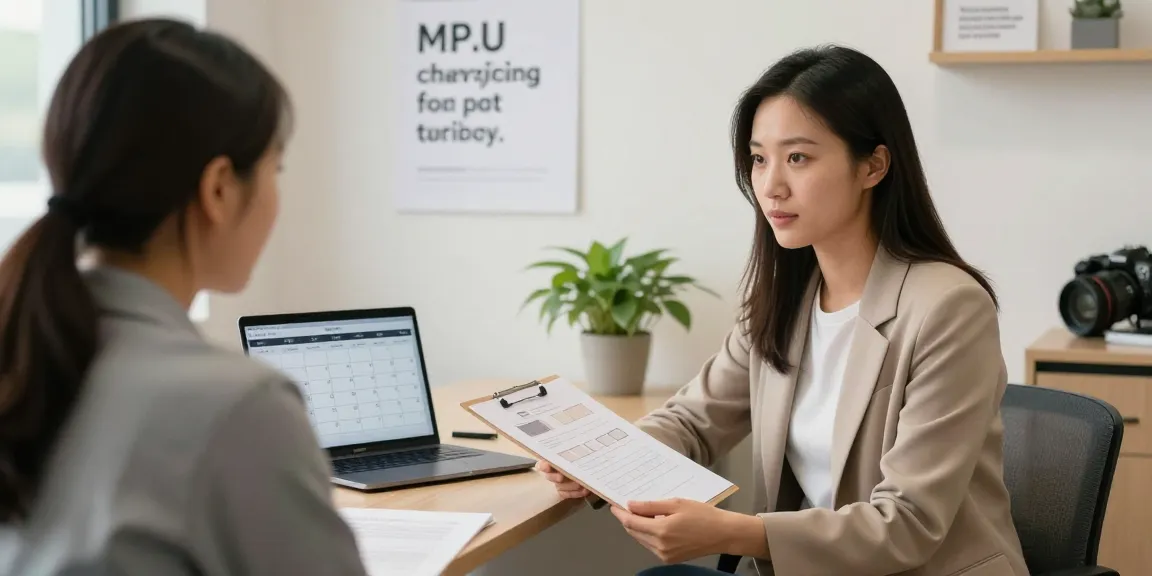
Understanding Proposal Writing and Management
Definition and Importance of Proposal Writing and Management
Proposal writing and management encompass the processes involved in creating, organizing, and overseeing business proposals, particularly in response to predetermined needs or solicitations. Effective proposal writing is vital for securing funding, partnerships, and contracts, making it a key competency in various professional fields, from non-profits to large corporations.
The importance of proposal writing extends beyond the mere act of writing; it includes understanding client needs, articulating value propositions, and aligning organizational goals with potential partners. It is essential for organizations to develop a strong proposal strategy to increase success rates in securing contracts and collaborations. A well-crafted proposal can set an organization apart from its competitors and lead to sustainable business relationships, ultimately influencing success factors like revenue, market presence, and reputation.
Effective management of the proposal process is equally critical. This involves coordinating teams, timelines, and content while ensuring compliance with various requirements. By mastering these components, entities can streamline the proposal lifecycle and enhance overall efficiency. For insights into improving your own strategy, consider exploringProposal Writing and Management.
Key Components of an Effective Proposal
An effective proposal is built on several key components:
- Executive Summary: This brief overview outlines the main objectives and benefits of the proposal, tailored to the audience's needs.
- Project Background: Providing context about the organization and its previous achievements helps establish credibility.
- Project Goals: Clearly defined goals articulate what the proposal intends to achieve, making them measurable and specific.
- Methodology: This section outlines the approach to achieving the project goals, including the strategy and processes to be utilized.
- Budget: A detailed budget is crucial—it must include costs, justifications, and any potential funding sources.
- Evaluation Plan: Proposals should include a mechanism for assessing the project's effectiveness against its goals.
- Conclusion: A compelling conclusion reaffirms the project's relevance and encourages action.
Each of these components must work harmoniously to present a coherent and persuasive case to potential stakeholders or clients.
Common Challenges in Proposal Writing and Management
Iterating a successful proposal can be riddled with challenges. Here are some common obstacles faced during the proposal writing and management process:
- Misalignment with Client Needs: Proposals often miss the mark when they do not accurately reflect the client's requirements or expectations.
- Inadequate Resources: Limited time, funding, or personnel can hamper the thoroughness and quality of the proposal.
- Poor Collaboration: Lack of effective communication and teamwork can lead to inconsistencies in proposals and undermine the collective vision.
- Over-Complexity: Proposals that are overly convoluted or technical may confuse rather than persuade the reader.
- Insufficient Review Procedures: Bypassing crucial review stages can lead to overlooked errors or missed opportunities to enhance the proposal.
To overcome these challenges, organizations should prioritize clear communication, team collaboration, and establishing scalable processes to enhance their proposal success rates.
Strategies for Effective Proposal Writing
Research and Information Gathering Techniques
Thorough research is a cornerstone of successful proposal writing. The following techniques can enhance your information gathering:
- Identify Stakeholders: Understand who the key decision-makers are and what information they will be looking for in the proposal.
- Analyze Previous Proposals: Review past proposals, both successful and unsuccessful, to identify strengths and weaknesses.
- Conduct Market Research: Gather pertinent data about industry standards, competitor proposals, and market trends to tailor your proposal effectively.
- Leverage Interviews: Engaging in conversations with stakeholders can yield critical insights and personalized content for the proposal.
- Utilize Online Resources: Online databases, academic journals, and industry reports can provide valuable context and statistical evidence.
This comprehensive research will ensure that proposals are backed by solid data and tailored to meet the specific needs of stakeholders.
Creating a Strong Proposal Structure
A solid structure not only improves readability but also guides the reader’s understanding of the proposal. Here’s how to create a strong framework:
- Your Story: Begin with a narrative that articulates the need for your proposal.
- Logical Flow: Ensure each section transitions smoothly into the next, maintaining coherence throughout.
- Consistent Formatting: Utilize consistent fonts, headings, and bullet points to enhance readability.
- Clear Visuals: Incorporate graphs, charts, and images to visually support your claims when appropriate.
A clear structure will increase your proposal's likelihood of being read in its entirety and improve the chances of approval.
Writing Techniques for Clarity and Persuasion
Effective writing is essential; using the following techniques can improve clarity and persuasiveness:
- Use Simple Language: Avoid jargon and overly technical terms unless they are necessary for the intended audience.
- Active Voice: Write in the active voice to create a sense of urgency and engagement.
- Tailor Your Tone: Adapt the tone based on the audience to resonate with their values and expectations.
- Highlight Benefits: Focus on how your proposal addresses client needs, showcasing practical benefits over mere features.
- Employ Persuasive Techniques: Use storytelling, emotional appeals, and strong calls to action to motivate decision-makers.
These writing techniques, when employed skillfully, will increase the effectiveness of your proposals, making them more compelling to your audience.
Managing the Proposal Process
Organizing Teams for Proposal Collaboration
Successful proposal management requires organized, cohesive collaboration within teams. Here are methods for enhancing team organization:
- Define Roles: Clearly outline team members' responsibilities, ensuring everyone knows their specific tasks and expectations.
- Utilize Collaboration Tools: Leverage project management software and communication platforms to facilitate seamless collaboration.
- Create a Shared Calendar: Implement shared scheduling tools to keep everyone aligned on deadlines and milestones.
- Foster Open Communication: Encourage regular updates and discussions to avoid miscommunications and lapses in information.
Organizing teams in this way maximizes efficiency and minimizes risk during the proposal writing process.
Setting Timelines and Milestones
Establishing clear timelines and milestones is critical to maintaining momentum throughout the proposal lifecycle. Consider these practices:
- Develop a Timeline: Create a detailed timeline that maps out all key activities leading up to the final submission.
- Set Milestones: Break the project into manageable phases, celebrating small wins to keep team morale high.
- Include Buffer Time: Build in additional time for unexpected delays or challenges without extending the overall deadline.
- Regularly Review Progress: Establish check-in points to assess progress against the timeline, adjusting as necessary to stay on track.
By rigorously adhering to timelines and milestones, teams can ensure timely and high-quality proposal submissions.
Reviewing and Finalizing Proposals
The review phase is essential for identifying potential issues and polishing the final proposal. Effective strategies include:
- Establish Review Criteria: Create a checklist to evaluate proposals, focusing on compliance, clarity, and persuasiveness.
- Involve Multiple Reviewers: Diverse perspectives can identify gaps and provide constructive feedback for improvement.
- Use Revision Trackers: Utilize software tools that highlight changes, ensuring that all revisions are documented and evaluated.
- Conduct a Final Read-Through: Ensure that the final document is cohesive, free of errors, and aligned with overall goals.
Implementing a structured review process can significantly enhance the quality and effectiveness of your proposals.
Tools and Resources for Successful Proposal Writing
Leveraging Technology for Proposal Management
Modern technology provides numerous tools to streamline the proposal writing process. Consider the following:
- Proposal Management Software: Such platforms aid in automating repetitive tasks, tracking progress, and maintaining version control.
- Document Collaboration Tools: Utilize cloud-based writing tools to enable real-time collaboration among team members.
- CRM Systems: Customer relationship management systems can help track proposal statuses and client feedback efficiently.
- Template Libraries: Access to proposal templates that can be customized saves time and ensures compliance with standards.
Leveraging these technological resources can increase efficiency within the proposal process and safeguard against common pitfalls.
Utilizing Templates and Guides Effectively
Templates and guides serve as valuable resources for proposal writers. Here’s how to utilize them effectively:
- Choose Reputable Templates: Look for high-quality templates tailored to your industry or proposal type.
- Customize Appropriately: Modify templates to reflect your organization’s voice, style, and project specifics.
- Follow Guides: Utilize writing guides to ensure adherence to best practices and enhance writing quality.
- Maintain Brand Consistency: Ensure that all proposals align with brand messaging and aesthetics.
Templates and guides are invaluable for increasing proposal quality while also saving time in the writing process.
Professional Development and Training Resources
Investing in professional development ensures that teams stay updated on best practices in proposal writing and management. Resources to consider include:
- Workshops and Webinars: Participate in industry-specific learning opportunities to enhance skills and knowledge.
- Certifications: Pursuing relevant certifications adds credibility and boosts expertise in proposal management.
- Online Courses: Various e-learning platforms offer structured courses on proposal writing to strengthen individual and team capabilities.
- Networking Groups: Joining professional associations dedicated to proposal management can provide networking opportunities and knowledge sharing.
By leveraging these resources, organizations can enhance their capabilities and adapt to the ever-evolving demands of the proposal landscape.
Measuring Success in Proposal Writing and Management
Key Performance Indicators to Track
Evaluating the effectiveness of proposal writing and management involves tracking relevant key performance indicators (KPIs). Important metrics include:
- Win Rate: The ratio of successful proposals to the total submitted provides insight into overall effectiveness.
- Proposal Submission Time: Tracking the time taken to develop proposals can highlight areas for improvement in efficiency.
- Feedback from Clients: Collecting qualitative feedback from clients can reveal strengths and weaknesses in proposals.
- Post-Implementation Reviews: Assessing project outcomes against the initial proposal can validate claims made and enhance future proposals.
Regularly monitoring these KPIs helps organizations identify trends and areas for further training and improvement.
Gathering Feedback for Improvement
Feedback is crucial for continual enhancement in proposal writing. Here’s how to effectively gather and utilize feedback:
- Conduct Surveys: Implement post-proposal surveys to understand client perceptions and gather valuable insights.
- Foster Internal Reviews: Encourage team members to provide input on unsuccessful proposals to identify areas needing improvement.
- Analyze Trends: Look for patterns in the feedback over time to inform broader strategies going forward.
- Implement Changes: Use gathered feedback to refine processes and approaches for future proposals, fostering a culture of continuous improvement.
Emphasizing feedback collection positions organizations to adapt and thrive within the competitive proposal landscape.
Continual Learning and Adaptation Strategies
An effective proposal organization thrives on continual learning and adaptation. Consider the following strategies:
- Regular Training Sessions: Convene regular training to keep proposals fresh and aligned with industry trends.
- Review Best Practices: Conduct periodic reviews of current practices to identify potential improvements.
- Stay Informed: Keep up with industry changes and adapt proposal strategies to reflect new information or shifts in market demands.
- Benchmark Success: Compare your organization’s performance against peers to determine areas for growth and learning.
By fostering a culture of continuous learning, organizations will remain agile and competent in the ever-evolving realm of proposal writing and management.