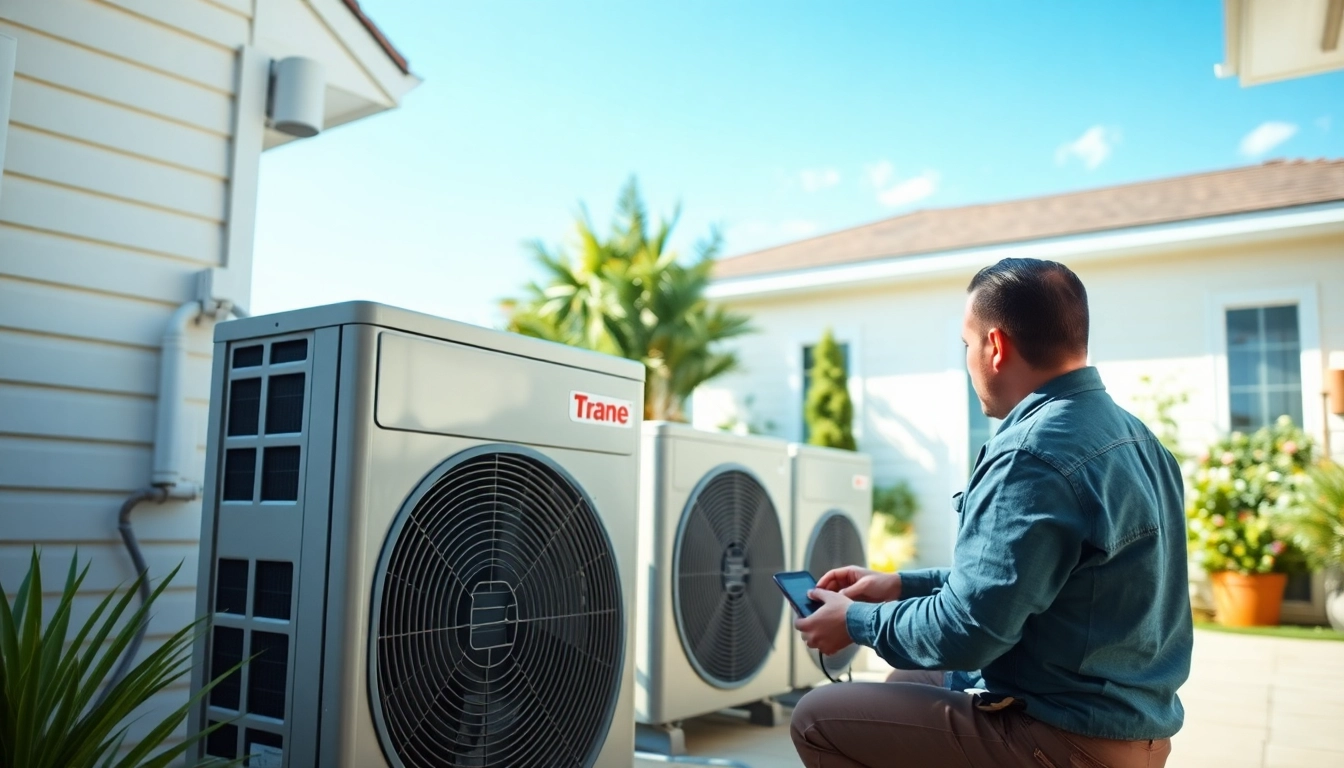
Understanding Mini Split Air Conditioners
Mini split air conditioners have emerged as a popular choice for homeowners seeking efficient and versatile cooling solutions. Unlike traditional systems, mini splits operate without ductwork, making them an ideal option for residential buildings where adding ducts may be impractical or too expensive. By harnessing advanced technology, these systems offer customized climate control, providing comfort in individual rooms or zones. When exploring options, mini split of air conditioner systems are a great starting point for those looking to improve their home’s energy efficiency.
What is a Mini Split Air Conditioner?
A mini split air conditioner, often referred to as a ductless air conditioner, is a compact system that allows for the independent control of temperature in different spaces. It consists of two main components: an indoor unit, which disperses conditioned air, and an outdoor condenser unit, which absorbs heat from inside the home. This separation allows for quieter operation and flexibility in installation, making them a viable choice for various home layouts.
How Mini Split Systems Work
Mini splits function on the principle of heat exchange. During the cooling process, the indoor unit extracts warm air from the room, passing it over coils filled with refrigerant. The refrigerant absorbs the heat and evaporates, turning into a gas. This gas is then sent to the outdoor unit, which releases the heat into the atmosphere, while the refrigerant returns to a liquid state to repeat the process. In heating mode, the process reverses, allowing the unit to draw heat from outside and bring it indoors.
Benefits of Mini Split Air Conditioners
- Energy Efficiency: Mini split systems are known for their energy-efficient operation, often achieving higher SEER (Seasonal Energy Efficiency Ratio) ratings compared to traditional HVAC systems.
- Flexible Installation: These systems can be installed in various configurations, including wall-mounted and ceiling-mounted units, allowing for more design flexibility.
- Zone Control: Mini splits offer the ability to cool or heat individual rooms according to personal preferences, reducing energy waste and enhancing comfort.
- Minimal Noise: The indoor units operate quietly compared to traditional systems, providing a more peaceful environment.
Choosing the Right Mini Split System
Factors to Consider When Selecting a Mini Split
When choosing a mini split system, several factors come into play. The first consideration is the system's capacity, which is measured in BTUs (British Thermal Units). It’s essential to choose a unit that matches the size and insulation of the space. Additionally, consider the energy efficiency ratings; opt for models with higher SEER ratings for better long-term savings. The installation costs and features such as remote control, multiple zones, and additional functionalities like heating should also be taken into account.
Top Brands and Models for 2026
As of 2026, several brands dominate the mini split air conditioner market, thanks to their reliability, efficiency, and innovative features. Brands like Mitsubishi, Daikin, and Fujitsu are renowned for their high-performance systems. For budget-conscious consumers, brands like Senville offer competitive pricing without compromising too much on efficiency. It’s advisable to read reviews and consult HVAC professionals to find the most suitable model tailored to individual needs.
Common Installation Challenges
Installing a mini split system comes with its own set of challenges. One common issue is selecting the right location for the indoor and outdoor units. Proper placement is crucial to ensure optimal airflow and efficiency. Additionally, improper installation of the refrigerant lines can lead to leaks, which may hinder performance. Homeowners should consider hiring certified technicians to guarantee a seamless setup and adherence to local codes and regulations.
Energy Efficiency and Cost Savings
How Mini Splits Reduce Energy Bills
One of the standout benefits of mini split systems is their ability to significantly reduce energy bills. Due to their high efficiency, particularly in variable-speed models, these systems consume less energy than traditional air conditioning units. By providing cooling only when and where it is needed, homeowners can avoid the unnecessary energy consumption often associated with central air systems.
Understanding SEER Ratings
SEER ratings are critical in assessing an air conditioner's efficiency. The higher the SEER rating, the more efficient the system. Most mini split systems available today offer SEER ratings between 16 and 30, with higher numbers indicating better energy savings. When shopping for a unit, always compare SEER ratings to ensure you select an energy-efficient option that aligns with your budget and comfort needs.
Incentives for Energy-Efficient Purchases
Many utility companies and government programs incentivize homeowners to install energy-efficient systems, including mini splits. These incentives can include rebates, tax credits, and sometimes even financing options. Before purchasing, it's worthwhile to research local programs that may enhance the affordability of upgrading to a mini split system.
Installation Best Practices
Hiring a Professional vs. DIY Installation
While some homeowners may consider DIY installation of mini splits, hiring a professional is often the best route for ensuring optimal performance and compliance with regulations. Professionals have the expertise to navigate potential challenges and troubleshoot issues that may arise during the installation process. Additionally, many manufacturers require professional installation to validate warranties, making it a smart investment.
Preparing Your Home for Installation
Before installation, homeowners should prepare by assessing the intended locations for both indoor and outdoor units. Ensure that walls and grounds are clear of obstructions and that electrical systems can support the new units' power requirements. It is also beneficial to consult with an HVAC technician for optimal placement to maximize efficiency and comfort.
Maintenance Tips for Longevity
To ensure the longevity of your mini split system, regular maintenance is crucial. This includes cleaning or replacing air filters every few months, checking the outdoor unit for debris, and scheduling annual professional inspections. Such practices not only extend the lifespan of the system but also promote energy efficiency, keeping your cooling costs low.
Future Trends in Mini Split Technology
Innovations to Look for in 2026
As the HVAC industry evolves, mini split systems are becoming increasingly advanced. Innovations such as enhanced inverter technology for more precise temperature control and connectivity features that allow users to monitor and adjust settings remotely via smartphone apps are becoming standard. Additionally, manufacturers are focusing on improving the environmental impact of refrigerants used in these systems, moving towards more eco-friendly options.
The Shift towards Smart Home Integration
2026 is set to witness a significant shift in the integration of mini split air conditioners with smart home systems. This integration allows for more streamlined control, enabling users to program their systems based on daily routines and preferences. Smart thermostats that learn user habits will likely become more common, leading to even greater energy savings and convenience.
Environmental Impact and Sustainability
With rising concerns about climate change, manufacturers are taking steps to ensure that mini split systems are not just energy-efficient but also environmentally sustainable. This includes developing units with lower global warming potential (GWP) refrigerants and creating systems that have a longer life cycle. Homeowners who prioritize sustainability can choose brands that commit to reducing their environmental footprint.
What Are the Downsides of a Mini-Split AC System?
While mini split systems offer numerous benefits, there are some downsides to consider. The initial installation costs can be higher than traditional systems, particularly for multi-zone setups. Additionally, some homeowners may be concerned about the aesthetic impact of indoor units, which can sometimes be seen as less visually appealing than central air vents. It's essential to weigh these factors against the long-term savings and comfort benefits.
Why Is My Electric Bill So High with Mini Split?
If homeowners notice higher-than-expected electricity bills after installing a mini split system, several factors could be at play. Issues such as incorrect sizing, inefficient usage patterns, or a lack of maintenance may contribute to elevated costs. Additionally, if the outdoor temperature is extreme, the unit may have to work harder to maintain desired indoor temperatures, leading to increased energy usage.
What Is the Typical Cost of Installing a Mini Split System?
The cost of installing a mini split system can vary widely based on factors such as the number of zones, unit models, and labor costs in your area. On average, homeowners can expect to pay between $3,000 and $8,000 for a complete system, including both indoor and outdoor units. It’s advisable to obtain multiple quotes from licensed installers to get a comprehensive understanding of potential costs.