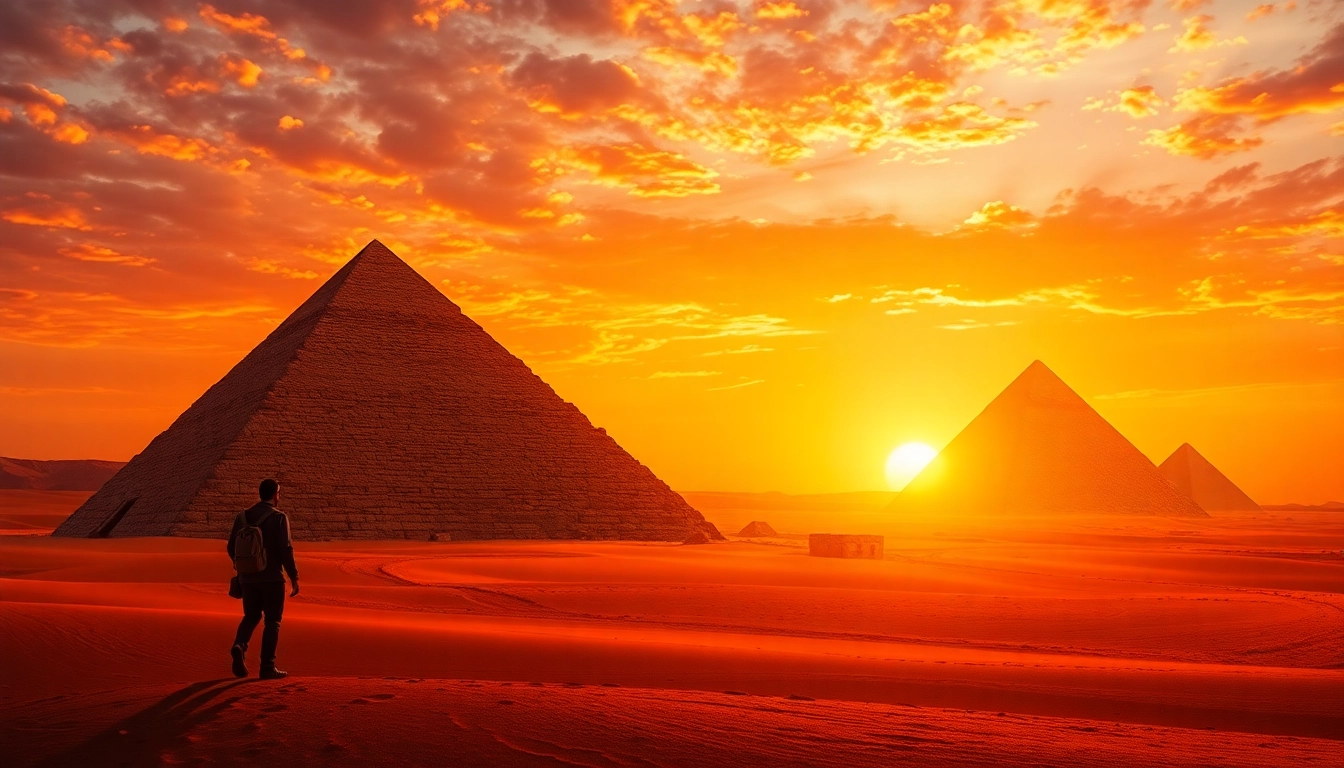
Among the most fascinating architectural achievements in history, the piraminds of ancient Egypt captivate the imagination of historians, archaeologists, and tourists alike. These remarkable structures are not only a testament to the ingenuity of ancient civilizations but also a window into their complex social, religious, and cultural frameworks. The majesty of these structures continues to inspire curiosity and awe, prompting in-depth studies, theories, and artistic depictions, which ensure their lasting legacy in human history.
Understanding the Origins of Piraminds
The Historical Context of Egyptian Piraminds
The piraminds originated in the 3rd millennium BCE, during Egypt's Old Kingdom period, when pharaohs sought to demonstrate their power and ensure a place in the afterlife. The transition from simple mastabas—flat-roofed structures featuring sloping sides—to the iconic pyramid shape marked a significant architectural evolution. This transformation was not just about aesthetics but encapsulated a spiritual belief system centered around immortality.
The earliest pyramids, such as the Step Pyramid of Djoser, showcased the efforts of architect Imhotep, who skillfully used stone in a multilevel structure, symbolizing the pharaoh's rise to the heavens. Subsequent pyramids, particularly the famed pyramids at Giza, exemplified advancements in engineering and reflected the growing wealth and power of the Egyptian state.
Construction Techniques Behind Piraminds
The construction of the piraminds, especially the Great Pyramid of Giza, remains one of history's most remarkable feats. Research indicates that a workforce of thousands, including skilled laborers and seasonal workers, was involved in this monumental task. Contrary to popular myth, these laborers were not slaves but rather paid workers who received sustenance and housing during the construction phase.
Various theories exist regarding the techniques used to transport and lift the massive stone blocks. Theories suggest that workers employed sledges to move heavy stones across the sandy terrain, wetting the ground to reduce friction. Additionally, ramp systems, which may have been straight or circular, were likely used to elevate the blocks as the pyramid rose. Collaborative efforts and precise organization were crucial throughout the construction process, which could span decades.
Cultural Significance of the Piraminds
The cultural significance of the piraminds extends well beyond their physical structures. They served as tombs for pharaohs and their consorts, believed to be necessary for ensuring a successful transition to the afterlife. Each pyramid was part of a larger complex, often featuring temples and mortuary structures that facilitated rituals and offerings to the deceased.
The pyramids symbolized resurrection and eternal life, embodying the ancient Egyptians' beliefs about the afterlife. They also represented the central role of the pharaoh in maintaining cosmic order, or Maat, essential for Egypt's prosperity. Thus, the piraminds were not merely constructions; they were sacred spaces steeped in religious significance.
Types of Piraminds in Ancient Egypt
The Great Piramid of Giza
The Great Pyramid of Giza, built for Pharaoh Khufu, stands as an enduring symbol of ancient Egyptian civilization. It is the largest of Egypt's pyramids, originally reaching a height of 146.6 meters (481 feet), making it the tallest man-made structure for over 3,800 years. The design is a marvel of precision, with each side oriented almost perfectly to the cardinal points, a feat that continues to intrigue scholars.
Inside, the Great Pyramid contains intricate burial chambers and passageways, including the King's Chamber, which housed the pharaoh's burial sarcophagus. Interestingly, the pyramid was originally encased in polished Tura limestone, reflecting sunlight and creating a brilliant appearance that has long since eroded.
Nubian Piraminds: A Distinct Showcase
While the Egyptian pyramids are world-renowned, the Nubian pyramids located in modern-day Sudan possess unique features that distinguish them. Built by the Kingdom of Kush, these pyramids are smaller and steeper than their Egyptian counterparts. Their distinctive style features a more pronounced apex and often displays elaborate burial chambers, adorned with intricate artwork that reflects the Kushite culture and beliefs.
The Nubian pyramids served a similar purpose to those of Egypt, housing the remains of kings and queens in their resting place. Although often overlooked, they provide vital insight into the cultural and economic interactions between ancient Egypt and Nubia.
Unique Features of Various Piraminds
Diverse interpretations of the pyramid design can be found throughout ancient Egypt. The Bent Pyramid of Dahshur is notable for its unique change in angle, which deviates from its original steep ascent. The cause of this alteration remains a subject of study, with hypotheses suggesting structural concerns or adjustments made during construction.
Additionally, the Red Pyramid, also located at Dahshur, marks a crucial advancement towards true pyramid design, displaying smoother sides and a more pronounced appearance. These structures reflect the intention and dedication of ancient architects to innovate and perfect their designs, creating enduring monuments.
Exploring the Mysteries of Piraminds
Unsolved Questions About Piramid Construction
Despite extensive research, numerous questions about the construction of the piraminds remain. Archaeologists continue to investigate the specific techniques used by ancient Egyptians to transport and position massive stone blocks. While various theories suggest the usage of ramps, levers, and manual labor, there is still no definitive answer to how these feats were executed with such precision given the technological limitations of the time.
Recent Discoveries in Piramid Archeology
Recent technological advances, including ground-penetrating radar and 3D modeling, have significantly enhanced our understanding of the piraminds. The discovery of previously unknown chambers within the Great Pyramid has reignited intrigue regarding the construction methods and purposes of these hidden spaces. Ongoing excavations at Giza and surrounding sites are likely to yield further insights, potentially leading to exciting revelations about the ancient Egyptians' architectural and societal practices.
Theories on the Purpose of Piraminds
While it is widely accepted that piraminds served as royal tombs, alternative theories propose broader social, spiritual, or astronomical purposes. Some hypotheses suggest that the shape itself was emblematic of the rays of the sun, symbolically assisting pharaohs in their ascent to the afterlife. Others propose that piraminds may have had functions related to astronomical observations, serving as alignments to seasonal cycles, further intertwining with the ancient Egyptians' sophisticated understanding of the cosmos.
Piraminds in Modern Culture
Piraminds in Literature and Film
The piraminds have left an indelible mark on literature, film, and popular culture. They frequently symbolize mystery and adventure, captivating audiences worldwide. Movies such as "The Mummy" and "Stargate" depict the piraminds as gateways to ancient treasures or otherworldly realms, blending historical elements with fantastical narratives.
Furthermore, many novels and academic works explore the symbolism, history, and mysteries of the piraminds, ensuring their place in the dialogue of cultural heritage. The interplay between fact and fiction allows for a broader appreciation and understanding of these architectural marvels.
The Role of Piraminds in Tourism
Today, the piraminds are among the most visited tourist attractions globally, drawing millions annually to Egypt. They serve not only as a source of national pride but also as a significant contributor to Egypt's economy through tourism. While their preservation is paramount, efforts are also made to educate visitors about their historical and cultural significance, creating a delicate balance between tourism and conservation.
Artistic Representations of Piraminds
Artists and sculptors have long found inspiration in the piraminds, creating representations that capture their majesty and mystery. From paintings to modern sculptures, the iconic shape of the pyramids continues to be a muse for artistic expression, showcasing the timeless allure of these monumental structures.
Visiting Piraminds Today
Planning Your Trip to the Piraminds
For those wishing to experience the piraminds firsthand, planning is key. The best time to visit is typically during the cooler months, from October to April, to avoid the intense summer heat. Several tour operators offer packages that include guided tours to the pyramids, which enhance the experience by providing historical context and insights.
Visitors can explore the Great Pyramid and its surrounding complex, which includes the Solar Boat Museum and the Sphinx, while local markets and eateries provide opportunities to sample traditional Egyptian cuisine.
Safety and Guidelines at Historical Sites
While the piraminds are generally safe for visitors, it's essential to adhere to guidelines to preserve these historical treasures. Tourists should respect designated pathways, avoid climbing on or touching the stones, and follow local regulations to protect the integrity of these sites.
Travelers should also consider cultural sensitivities, covering shoulders and knees when visiting religious sites, and always remain cautious of their surroundings.
Experiences to Enhance Your Visit to Piraminds
To enrich a visit to the piraminds, consider participating in a camel ride around the Giza Plateau for a unique perspective of the structures or attending light and sound shows that recount the history of ancient Egypt. Engaging with local guides can also provide an intimate understanding of the cultural significance of the sites beyond what is found in guidebooks.
Frequently Asked Questions (FAQs)
1. What are the main structures within a pyramid complex?
A pyramid complex typically includes the pyramid itself, mortuary temples, smaller pyramids for queens, and causeways connecting to the Nile, used for transportation of materials and offerings.
2. How did the ancient Egyptians align the pyramids with precision?
Ancient Egyptians likely used simple tools, such as sighting rods and shadows, to calculate cardinal directions based on the sun's position or stars, allowing precise alignment.
3. Are there any other types of pyramids outside of Egypt?
Yes, pyramids can be found worldwide, including Mesoamerican pyramids like those of the Maya and Aztecs, which also served as religious and ceremonial sites.
4. How can I visit the pyramids responsibly?
To visit responsibly, stick to designated paths, avoid climbing on or touching structures, respect local customs, and help preserve the integrity of the site for future generations.
5. What is the significance of the Sphinx near the pyramids?
The Great Sphinx symbolizes protection and pharaonic power, often thought to represent Khafre, whose pyramid lies behind it, embodying the connection between the living and the dead.