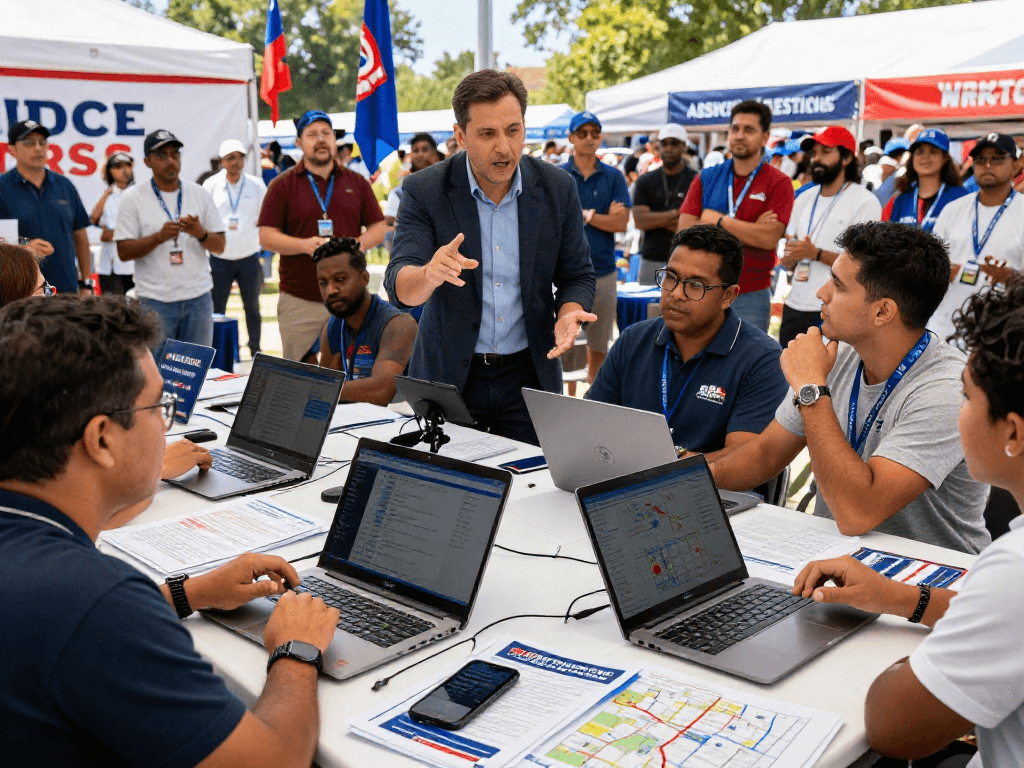
Understanding Political PPC Agencies
In today's fast-paced political landscape, a strategic approach to campaigning is crucial for candidates looking to win elections. A well-structured political campaign relies heavily on data-driven decisions, and that’s where a political PPC agency comes into play. These agencies specialize in pay-per-click advertising tailored to meet the specific challenges of political candidates. They provide tools and strategies that can significantly enhance the effectiveness of a campaign, ensuring that messages reach the right demographics at the right time.
What is a Political PPC Agency?
A political PPC agency is a specialized firm that focuses on creating, managing, and optimizing pay-per-click advertising campaigns for political candidates and organizations. Unlike general PPC services, these agencies understand the unique challenges and regulations of political campaigning, making them essential partners for candidates aiming to maximize their outreach effectively. They work with candidates from local races to national elections, employing targeted strategies that align with each campaign's objectives.
The Role of Data in Political Campaigns
Data is at the heart of any successful political campaign. Effective use of data allows for precise targeting, allowing campaigns to focus their messaging and resources on the demographics most likely to support them. Political PPC agencies gather comprehensive voter data, using it to build profiles that determine the best strategies for outreach. This data-driven approach not only optimizes advertising spend but also increases the likelihood of voter engagement and turnout.
Key Services Offered by Political PPC Agencies
Political PPC agencies offer a range of services designed to help candidates launch effective advertising campaigns. Key services include:
- PPC Campaign Management: Developing and managing ad campaigns on platforms like Google Ads and social media, focusing on generating leads and driving voter engagement.
- Voter Data Analysis: Providing access to targeted voter files, ensuring campaigns can focus on the right audience segments.
- Ad Creative Development: Crafting persuasive ad copy and visuals that resonate with voters and reflect the candidate's message.
- Performance Tracking and Reporting: Offering insights into campaign performance to help refine strategies and increase effectiveness.
Importance of Voter Data Targeting
Understanding voters and their preferences plays a critical role in shaping a campaign's direction. Voter data targeting involves using demographic and behavioral insights to tailor messages and outreach efforts effectively.
Why Accurate Voter Data Matters
Accurate voter data is the foundation of any successful political campaign. It helps candidates identify who their potential supporters are and allows for personalized communication strategies. By leveraging updated and verified voter files, candidates can significantly increase their chances of engagement, ensuring that their message is not just heard, but also resonates with the audience.
Strategies for Effective Voter Targeting
To make the most of the available voter data, political campaigns should consider several strategies:
- Segmenting Voter Lists: Break down lists into manageable segments based on demographics, such as age, ethnicity, and past voting behavior.
- Tailoring Messaging: Customize campaign messages to address issues pertinent to specific voter groups, enhancing relatability and connection.
- Utilizing Multi-Channel Approaches: Leverage various advertising platforms—social media, search engines, and email—to reach voters where they are most active.
Case Studies of Successful Campaigns Using Data
Several campaigns have successfully harnessed the power of data-driven strategies to achieve electoral victory. For instance, in the 2020 U.S. Presidential election, numerous candidates utilized advanced analytics to identify swing voters, enabling them to focus their resources effectively and craft messages that directly addressed voter concerns. Similarly, local races have seen significant gains by employing targeted outreach based on data insights, resulting in higher voter turnout and engagement rates.
Building a Comprehensive Campaign Strategy
To win a district, candidates must integrate various elements of their campaigns into a coherent strategy. This holistic approach ensures that every aspect of the campaign complements the others, maximizing outreach and effectiveness.
Integrating PPC with Other Campaign Elements
Political PPC advertising should not exist in a vacuum. It must be part of a broader strategy that includes grassroots mobilization, public relations, and community outreach. By aligning PPC efforts with other campaign initiatives, candidates can create a unified front that reinforces their message across all channels.
Setting a Budget for Political PPC Activities
Budgeting for PPC activities is critical for ensuring that campaigns can maintain effective outreach without overspending. Candidates should consider the following factors when setting PPC budgets:
- Cost of Keywords: Research and select keywords that are relevant to their campaign and assess the average costs associated with them.
- Target Audience Size: Determine how broad or narrow their audience is, as larger audiences may require larger budgets for effective reach.
- Projected ROI: Estimate the expected return on investment based on previous campaign performance or market benchmarks.
Measuring Success: Key Metrics to Consider
To measure the success of political PPC campaigns, candidates should track several key performance indicators, including:
- Click-Through Rates (CTR): Indicates how effective the campaign's messaging is at attracting attention.
- Conversion Rates: Measures how many clicks translate into engaged voters or donations.
- Cost Per Acquisition (CPA): Evaluates the cost-effectiveness of the campaign in terms of acquiring new supporters.
Challenges in Political PPC Advertising
While political PPC advertising offers substantial benefits, candidates may encounter several challenges that can impede success. Understanding these hurdles is vital for developing effective strategies.
Common Misconceptions About PPC in Politics
One prevalent misconception is that PPC advertising is solely about buying clicks and exposure. However, successful campaigns require a nuanced understanding of the audience and effective targeting. Another misconception is that PPC is only for larger campaigns with significant budgets; even smaller campaigns can leverage PPC effectively with targeted strategies.
Addressing Compliance and Ethical Considerations
Political campaigns must navigate a complex landscape of regulations and compliance issues. Ensuring that all advertising is transparent, truthful, and respectful of voter privacy is essential. This includes adhering to Federal Election Commission (FEC) guidelines for disclosures and financial reporting, as well as ethical considerations around data usage.
Obstacles in Implementing Effective PPC Campaigns
Implementing effective PPC campaigns can be challenging due to factors such as budget constraints, fluctuating advertising costs, and competition for voter attention. Additionally, candidates must stay ahead of changing algorithms and advertising policies on platforms like Google and Facebook, which can influence campaign performance.
The Future of Political Advertising in 2026 and Beyond
As the political landscape continues to evolve, so too will the strategies employed for political advertising. The future will see increased reliance on data analytics and innovative approaches to target voters effectively.
Emerging Trends in Political PPC Strategies
Some emerging trends include the growing importance of social media advertising, the integration of artificial intelligence for optimizing campaigns, and the increasing emphasis on localizing content to resonate with specific voter bases. These trends will shape how campaigns craft their messages and reach audiences effectively.
Technological Advances Impacting Political Campaigns
Advancements in technology are redefining how political campaigns operate. Enhanced targeting capabilities enabled by machine learning algorithms allow campaigns to identify and engage potential supporters more efficiently. Furthermore, the emergence of new platforms and tools for voter outreach continually offers fresh opportunities for engagement.
Preparing for the 2026 Election Landscape
As we approach the 2026 elections, candidates must prepare for a highly competitive environment. Understanding voter sentiments through continual research and adapting strategies will be crucial for success. This includes embracing new technologies, strategies for engagement, and keeping a pulse on the latest political trends.
What are the strategies to maximize political PPC agency effectiveness?
To maximize the effectiveness of a political PPC agency, candidates should regularly review performance metrics, ensure active collaboration with agency teams for strategic alignment, and remain adaptable to emerging trends and audience feedback. Continuous learning and data-driven adjustments are fundamental to ongoing success.
How can small campaigns benefit from political PPC agencies?
Small campaigns can leverage political PPC agencies to gain access to data-driven insights and expertise typically available to larger campaigns. By employing strategic targeting methods and cost-effective PPC campaigns, they can maximize their outreach without extensive budgets, ensuring their messages resonate with potential voters.
What are the latest tools for political PPC in 2026?
In 2026, candidates can benefit from advanced tools that facilitate data analytics, audience targeting, and ad performance tracking. Tools that harness artificial intelligence for predictive analytics and complex data visualization will empower campaigns to make informed decisions based on real-time insights.
What should candidates know before hiring a political PPC agency?
Before hiring a political PPC agency, candidates should evaluate the agency’s experience with similar campaigns, understanding of voter behavior analytics, and transparency in pricing. They should also seek agencies that demonstrate a commitment to ethical advertising practices and compliance with electoral regulations.
How effective are PPC ads compared to traditional advertising?
PPC ads often provide more precise targeting and measurable results compared to traditional advertising. While traditional methods, such as television and print ads, can reach broader audiences, PPC allows for targeted outreach to specific demographics, which can lead to higher engagement rates and more effective resource allocation.