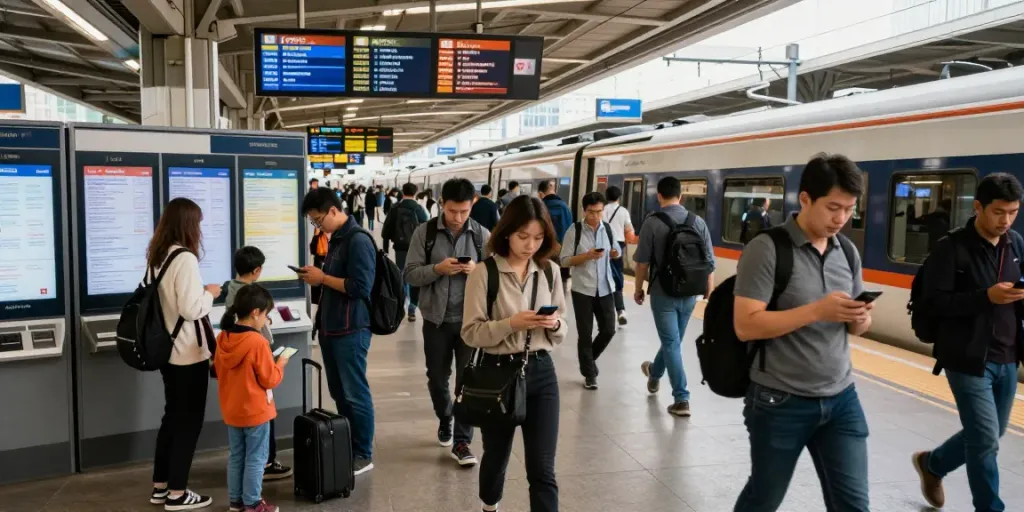
Understanding Train Strikes in Italy
Train strikes, or "scioperi treni", have become a common occurrence in Italy, often stemming from various labor disputes and grievances among transportation workers. These strikes can significantly disrupt the daily commutes of thousands, leaving commuters scrambling for alternative transportation. Understanding the underlying causes, the legal frameworks governing the strikes, and their impact on the public is crucial for anyone navigating Italy's vast transport networks. Moreover, staying informed about upcoming strikes is vital, especially since the law requires a minimum ten-day notice before any strike is enacted. This notice period allows travelers to plan accordingly and mitigate potential inconveniences. If you're looking for a comprehensive resource for real-time notifications about train disruptions, Scioperi treni can be an invaluable tool.
What Causes Train Strikes?
Train strikes in Italy typically arise from disputes over working conditions, pay, and job security. Unions representing railway workers often call for strikes when negotiations with transport companies break down, particularly concerning wage increases or changes to current labor laws. For example, a recent spike in inflation may prompt unions to demand higher wages, leading to industrial action if their demands aren't met. Additionally, issues such as inadequate staffing levels and unsafe working conditions can lead to strikes as employees voice their frustrations through collective action.
Legal Framework Surrounding Strikes
In Italy, the legality of strikes is underpinned by Article 40 of the Italian Constitution, which grants workers the right to strike. However, this right is regulated, especially in essential services such as public transportation. Strikes must be declared at least ten days in advance, providing time for authorities to implement contingency plans and for commuters to adjust their travel plans. This legal stipulation ensures that while workers can exercise their rights, the impact on the general public is minimized. Nevertheless, strikes still tend to catch many commuters off guard, leading to significant disruptions in the transport system.
Impact of Train Strikes on Daily Commutes
When strikes occur, the impacts on daily commutes can be profound. Commuters may face canceled trains, delayed services, or in some cases, complete shutdowns of specific lines or routes. This can lead to overcrowded alternative transport methods, increased travel times, and overall inconvenience. Further complicating matters, local transportation authorities may not have the resources or infrastructure to handle sudden influxes of passengers into buses or metro systems when trains are out of service. The resulting chaos can leave many commuters frustrated and seeking alternative travel options.
Staying Informed: The Role of Technology
In the age of information, technology plays a pivotal role in keeping commuters informed about strikes. Real-time updates and notifications are essential for those relying on public transportation. Several platforms and applications now offer instant notifications regarding train disruptions, ensuring travelers are alerted promptly. Utilizing these modern tools alleviates stress and uncertainty surrounding travel plans, allowing for better preparation ahead of time.
Real-Time Updates and Notifications
Several apps provide real-time updates regarding ongoing and upcoming strikes. These notifications can include essential details such as the affected routes, alternative transport information, and estimated durations of disruptions. Users can customize their alerts based on the regions they travel through and the types of transportation they rely on the most, allowing for a tailored experience that minimizes travel disruptions.
Top Apps for Tracking Train Strikes
Among the most useful applications for monitoring train strikes in Italy is the "C'è Sciopero" app. This app provides comprehensive coverage of transport strikes across all regions. Its standout features include push notifications for upcoming strikes, a live map of affected areas, and the ability to filter notifications based on specific transport categories, such as railways, buses, and schools. The app helps users stay informed and empowers them to plan ahead, significantly reducing last-minute travel chaos.
Utilizing Social Media for Immediate News
Social media also serves as a useful tool for quick updates on train strikes and disruptions. Transport authorities and railway companies often use platforms like Twitter and Facebook to announce changes in service or to provide updates on ongoing strikes. Following relevant accounts can help commuters receive immediate information and avoid missed announcements.
Planning Ahead: Preparing for Train Strikes
To mitigate the adverse effects of train strikes, careful planning is essential. Here are several strategies commuters can adopt to navigate these disruptions effectively.
How to Adjust Your Travel Plans
When a strike is announced, commuters should promptly assess their travel plans. This may involve rescheduling appointments, seeking alternative routes, or considering different modes of transportation. For example, individuals who typically rely on trains may want to look into bus services or carpooling options during periods of strike activity to maintain their schedules.
Exploring Alternative Transportation Options
In instances of train strikes, having backup transportation alternatives is crucial. Options may include buses, trams, private vehicles, cycling, or even walking, depending on the distance to be traveled. It’s also advisable to stay informed about the local transport authorities' contingency plans, as they often implement additional bus services to accommodate increased demand during strikes.
Timing Your Travel: Understanding Strike Patterns
Commuters should familiarize themselves with historical patterns surrounding train strikes, as certain periods may be more prone to disruptions. For instance, strikes often coincide with major holidays, budget presentation periods, or after significant labor negotiations. Being aware of these patterns can help travelers anticipate potential strikes and adjust their plans proactively.
Best Practices for Commuters
Staying effective during strikes requires diligent practices that can ease the burden on commuters. Here are some best practices to consider:
Setting Up Notifications: What to Watch For
Utilizing apps that offer notifications can greatly enhance travel experiences. Commuters should set up alerts specifically tailored to their usual travel routes and times. This way, they can be informed immediately about any changes, cancellations, or disruptions, enabling them to make informed decisions swiftly.
Engaging with Local Transport Authorities
Establishing a rapport with local transport authorities can be beneficial. Feedback from commuters can help authorities understand the challenges faced and improve services. Attending public meetings or reaching out via social media can also promote better communication between commuters and transport authorities, leading to more responsive actions during strikes.
Joining Commuter Support Groups
Engaging with local commuter support groups can provide additional insights and real-time updates from fellow travelers. These groups can serve as platforms for sharing experiences, discussing alternative travel options, and providing emotional support during times of disruption, which can make navigating strikes a less isolating experience.
The Future of Train Strikes: Insights and Trends for 2026
As we move further into the 2026 landscape, the dynamics of train strikes in Italy are likely to evolve. Several trends may emerge that could reshape how both authorities and commuters respond to this recurring issue.
Predicted Changes to Labor Laws
Potential changes in labor laws may influence the frequency and nature of train strikes. If new regulations are implemented to enhance worker rights or address grievances more effectively, this could lead to a decrease in strikes or alter their motivations. Commuters should stay abreast of proposed labor law changes that might directly impact the railway sector.
The Evolving Landscape of Public Transportation
The future of public transportation is also under scrutiny. As Italy invests in modernization and technology, the efficiency of transport systems may improve, which could lead to less discontent among workers. Enhanced infrastructure and services could potentially reduce the occurrence of strikes by addressing the root causes of worker grievances.
Preparing for the Unexpected: Future-Proofing Your Commutes
In light of future uncertainties, maintaining flexibility in travel plans remains paramount. Commuters should continue to educate themselves about the evolving transport landscape and remain adaptive to changes, whether in strike patterns, transportation methods, or available services. Being well-informed will empower travelers to successfully navigate potential challenges ahead.
What are the typical reasons for train strikes in Italy?
Typical reasons include disputes over wages, working conditions, and job security, often leading to unions calling for industrial actions.
How can I receive instant notifications about train disruptions?
Several apps provide instant notifications regarding train disruptions, offering real-time updates tailored to commuter routes.
What alternatives do I have if my train is canceled due to a strike?
Alternatives can include buses, trams, carpooling, or other modes of transport that may accommodate sudden changes in travel plans.
Are there any specific regions more affected by train strikes?
Strikes may be more prevalent in regions with extensive rail networks or heightened labor disputes, particularly in urban areas.
What should I do if I experience delays during a train strike?
Stay informed via apps for updates, consider alternative transport options, and maintain communication with your destination to manage delays effectively.