Understanding Vegan Astaxanthin
In today's health-conscious world, the demand for natural dietary supplements is growing rapidly. One such supplement that has gained significant attention is vegan astaxanthin. This powerhouse antioxidant is known for its potential health benefits, making it an attractive option for individuals seeking plant-based health solutions. Derived primarily from microalgae, vegan astaxanthin offers an impressive array of advantages that cater to the wellness needs of the modern dietary lifestyle.
What is Vegan Astaxanthin?
Vegan astaxanthin is a naturally occurring carotenoid pigment that belongs to the xanthophyll family. This vibrant red-orange compound is produced by certain microalgae, primarily Haematococcus pluvialis. Unlike its non-vegan counterparts found in seafood such as salmon and shrimp, vegan astaxanthin provides a sustainable, cruelty-free alternative for those who adhere to vegetarian or vegan diets. Its rich antioxidant properties contribute to various health benefits, making it a popular supplement among health enthusiasts.
The Benefits of Astaxanthin for Health
Astaxanthin's remarkable health benefits stem from its powerful antioxidant capabilities, which can help combat oxidative stress and inflammation. Research indicates that astaxanthin can enhance skin health, support eye health, and play a role in boosting immune function. Additionally, its ability to improve endurance and exercise performance is gaining traction among athletes and fitness enthusiasts. As an antioxidant, astaxanthin is believed to be up to 6000 times more potent than vitamin C, making it a compelling addition to any supplement regimen.
Comparing Vegan and Non-Vegan Sources
While non-vegan sources of astaxanthin, such as fish and krill oil, can effectively deliver the antioxidant, they often come with concerns related to eco-friendliness and animal welfare. In contrast, vegan astaxanthin sourced from microalgae presents an ethical and sustainable option. Furthermore, it avoids the risk of contaminants commonly found in marine environments, offering a pure and potent form of supplementation that aligns with vegan values.
Health Benefits of Vegan Astaxanthin
Vegan astaxanthin is more than a dietary supplement; it is a wellness powerhouse that offers a myriad of health benefits. From its antioxidant properties to its contributions to skin and eye health, astaxanthin can play a vital role in promoting overall well-being.
Antioxidant Properties and Their Importance
The primary function of astaxanthin lies in its antioxidant properties, which help neutralize harmful free radicals in the body. These free radicals are byproducts of cellular metabolism and environmental stressors, which can lead to cellular damage, chronic diseases, and premature aging. By incorporating vegan astaxanthin into your diet, you can bolster your body's defenses against oxidative stress, promoting longevity and vitality.
Supporting Eye Health and Vision
Astaxanthin is particularly renowned for its ability to support eye health. It has been shown to improve visual acuity and may help protect against age-related macular degeneration (AMD) and other eye disorders. The carotenoid accumulates in the retina, where it helps counteract oxidative damage and inflammation, ultimately contributing to better eye health.
Boosting Skin Health and Appearance
When it comes to skin health, astaxanthin shines brightly. Studies have demonstrated that astaxanthin can improve skin elasticity, hydration, and overall appearance. By reducing the harmful effects of UV exposure, astaxanthin helps protect the skin from sun damage while promoting a youthful glow. Many skincare products are now incorporating astaxanthin due to its potent anti-aging properties.
Incorporating Vegan Astaxanthin into Your Diet
Integrating vegan astaxanthin into your daily routine is simple and can be done in various ways. As a versatile supplement, it can easily complement a balanced diet focused on health and well-being.
Top Vegan Sources of Astaxanthin
The primary source of vegan astaxanthin is microalgae, particularly Haematococcus pluvialis. Available in various forms such as capsules, powders, and liquid extracts, these supplements can be easily included in your daily intake. Additionally, some plant-based foods like red peppers and dark leafy greens contain lower levels of carotenoids, but for optimal astaxanthin benefits, concentrated supplements are recommended.
Creative Ways to Use Astaxanthin in Meals
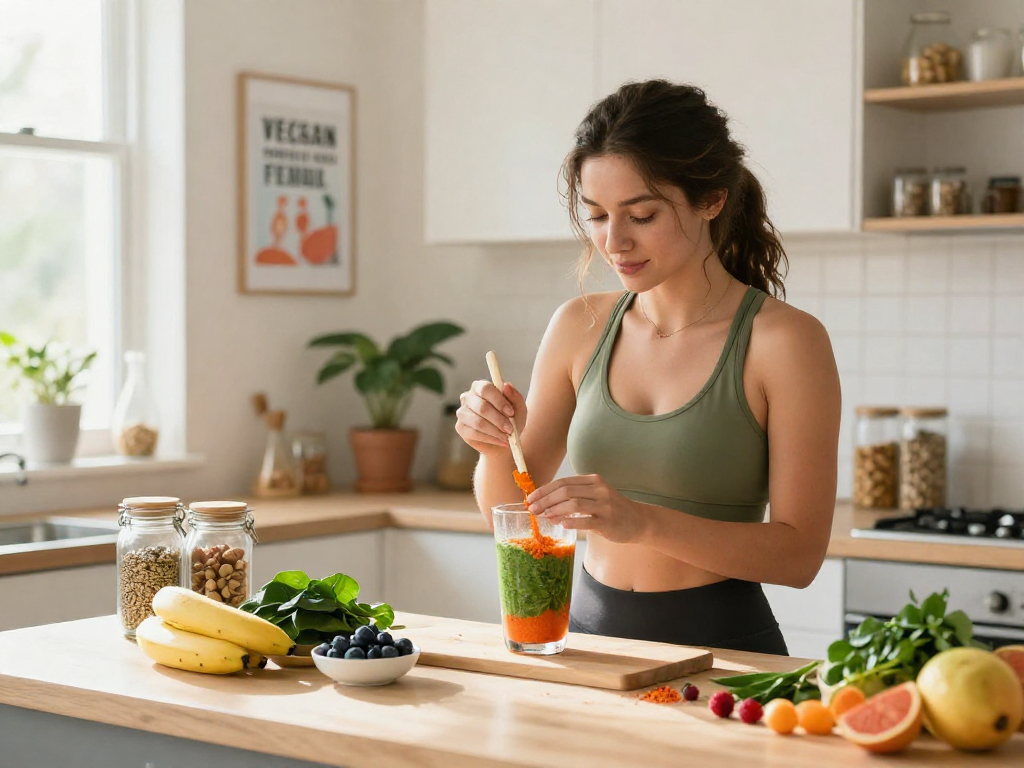
For those who prefer natural sources, incorporating astaxanthin-rich ingredients into your meals can be a delightful experience. For example, adding a teaspoon of astaxanthin powder to smoothies, oatmeal, or salad dressings not only boosts the nutritional profile but also enhances the vibrant color of your dishes. It's a fantastic way to obtain the benefits of astaxanthin while enjoying your favorite foods.
Recommended Dosages for Maximum Benefits
When it comes to supplementation, finding the right dosage is crucial for experiencing the benefits of astaxanthin. Generally, a daily dosage of 4 to 12 mg of vegan astaxanthin is recommended for most adults. However, individual needs may vary, and it's always best to consult with a healthcare professional before starting any new supplement regimen.
Common Misconceptions about Vegan Astaxanthin
As with any supplement, certain misconceptions surround astaxanthin that can lead to confusion. Understanding these myths is essential for making informed choices about your health.
Debunking Myths Surrounding Vegan Supplements
One common myth is that vegan supplements are less effective than their non-vegan counterparts. This is not true for vegan astaxanthin. Scientific studies have consistently shown that the antioxidant potency and benefits of vegan astaxanthin are comparable, if not superior, to those derived from animal sources.
Understanding Safety and Side Effects
Generally recognized as safe, astaxanthin has few reported side effects. Some individuals may experience mild digestive upset or an allergic reaction. However, these occurrences are rare. To ensure safety, it is vital to adhere to recommended dosages and consult with a healthcare provider if you have pre-existing health conditions or are pregnant or nursing.
Clarifying Dosage Misunderstandings
Another misconception pertains to the required dosage of astaxanthin. Many believe that higher doses lead to better results; however, studies suggest that moderate doses often provide ample benefits without the risk of adverse effects. Tailoring your dosage to personal health goals is key.
Future Trends in Health Supplements and Vegan Astaxanthin
The health supplements market is evolving rapidly, with vegan astaxanthin at the forefront of this change. As more consumers seek ethical and effective health solutions, the demand for vegan alternatives continues to surge.
Emerging Research and Innovations
Ongoing research into astaxanthin's benefits is uncovering new insights. Recent studies have explored its potential roles in cognitive function, heart health, and even athletic performance. Innovations in extraction and formulation techniques are also enhancing the availability and effectiveness of vegan astaxanthin products on the market.
Predictions for Vegan Supplement Market Growth
As awareness of health and sustainability continues to rise, the market for vegan supplements, including astaxanthin, is predicted to experience significant growth. This trend is driven by increasing consumer preference for plant-based products and a broader understanding of the health benefits associated with such supplements.
How to Stay Updated on Health Trends
To stay informed about emerging health trends and advancements in vegan astaxanthin research, consider subscribing to reputable health and wellness journals, following relevant blogs, and participating in social media communities focused on vegan nutrition and supplementation. Keeping an eye on scientific publications and attending health expos can also provide valuable insights.
What are the best vegan sources of astaxanthin?
The best vegan sources of astaxanthin include supplements derived from Haematococcus pluvialis microalgae, which offer the highest concentrations of this potent antioxidant. Other sources are less significant in comparison, emphasizing the importance of quality supplements for optimal health benefits.
How does vegan astaxanthin compare to traditional sources?
Vegan astaxanthin, sourced from microalgae, offers all the benefits of traditional sources without the ethical and environmental concerns associated with marine life extraction. Additionally, it minimizes exposure to contaminants, providing a cleaner, safer option for health-conscious individuals.
Are there any side effects of taking astaxanthin?
While astaxanthin is generally regarded as safe with minimal side effects, some individuals may experience digestive issues or allergic reactions. It's important to monitor how your body reacts and consult a healthcare professional if any adverse effects occur.
What are the recommended dosages for astaxanthin?
Research suggests that a daily intake of 4 to 12 mg of astaxanthin is effective for most adult users. However, individual needs may vary based on personal health goals and conditions. It's advisable to start with a lower dose and adjust as needed.
How can I incorporate vegan astaxanthin into my daily routine?
Incorporating vegan astaxanthin into your routine can be achieved through supplement forms such as capsules, powders, or liquid extracts. Adding it to smoothies, juices, or even baked goods can enhance your meals while reaping the benefits of this powerful antioxidant.