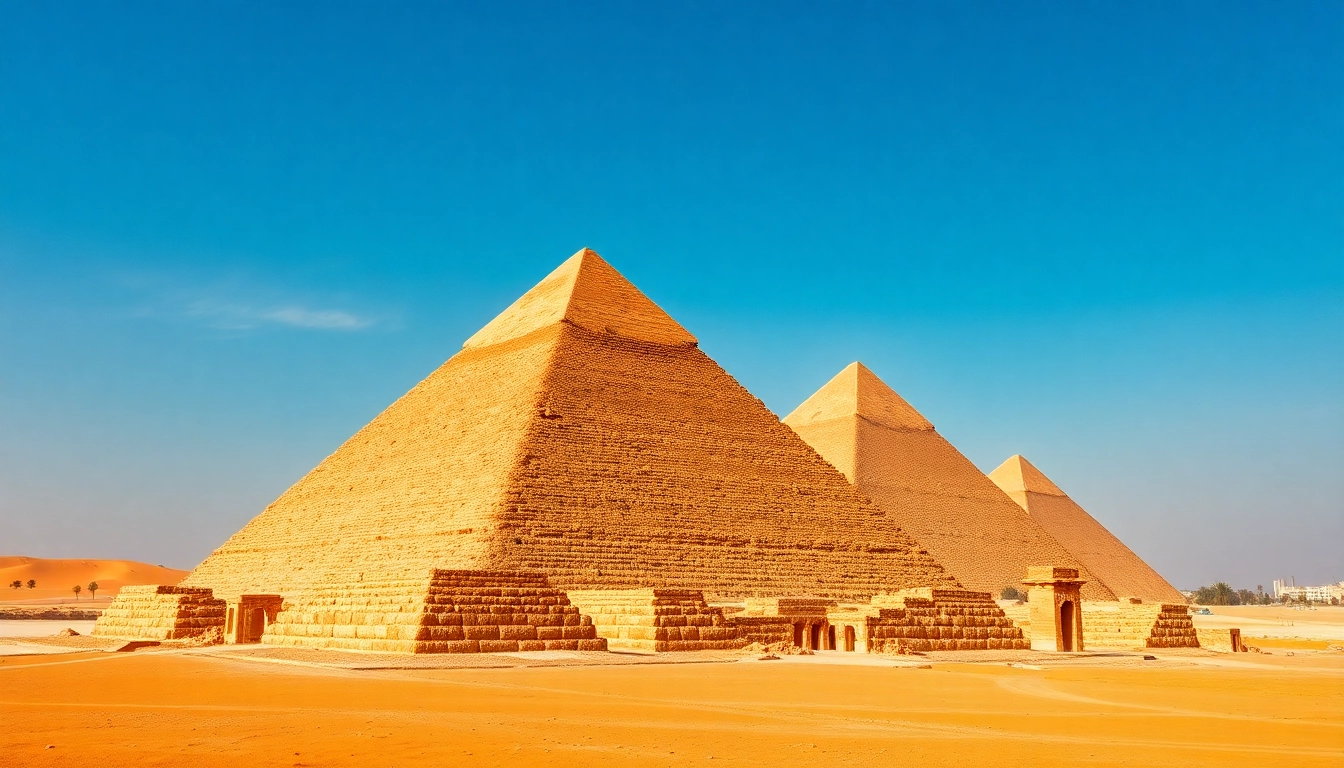
The monumental structures known as pyramids have captivated human imagination for centuries. These iconic edifices serve as strong reminders of ancient civilizations and their complex cultures. In this article, we will uncover the historical significance of the pyramids, explore their architectural features, discuss modern research advancements, analyze their role as tourist attractions, and address the most frequently asked questions about these engineering marvels. To discover more about pyramids, visit https://piraminds.com/.
The Historical Significance of the Pyramids
Origins and Construction Methods
The origins of the pyramids trace back to the Old Kingdom of Egypt, around 2700 BCE. The first pyramid, the Step Pyramid of Djoser, designed by the architect Imhotep, marked a significant departure from traditional burial practices. Instead of simple mastabas, Djoser's pyramid utilized a tiered structure, symbolizing the pharaoh's ascent to the heavens.
The construction of these pyramids involved complex techniques and massive labor forces. Recent studies indicate that rather than slaves, skilled laborers worked on the pyramids. They were organized into crews and worked in rotation, with many receiving food and shelter as compensation for their labor. The precision of construction remains astonishing, with the pyramids' dimensions demonstrating advanced knowledge of geometry and engineering.
The Cultural Influence on Ancient Egypt
Pyramids were more than mere tombs; they embodied the political and religious ideologies of ancient Egypt. They served as both monuments to the deceased pharaoh and as a means of ensuring their safe passage to the afterlife. The walls of the pyramids often contained elaborate hieroglyphics depicting the journey of the soul. This journey was essential for the pharaoh's transformation into a god, reinforcing the belief in divine kingship that pervaded ancient Egyptian culture.
The pyramids also influenced later architectural styles throughout history. Their design inspired not only Egyptian structures but also influenced monumental buildings in other civilizations, portraying a lasting legacy that spans across cultures and eras.
Key Archaeological Discoveries
Throughout the years, countless archaeological discoveries have been made around the pyramids. The entrance to the Great Pyramid of Giza, for instance, was uncovered by researchers looking to understand how these massive structures were built. Excavations have revealed burial chambers, remnants of the tools used for construction, and ancient artifacts that provide insight into the lives of those who built and were buried within these structures.
One significant discovery was the finding of the Workers' City of the pyramid builders near Giza, which provided evidence of the living conditions of the labor force and demonstrated the advanced organization of pyramid construction. Such discoveries continue to foster a greater understanding of ancient Egyptian society and its remarkable achievements.
Architectural Features of the Pyramids
Design Elements and Engineering
The design of the pyramids features several key engineering elements that contributed to their longevity and structural integrity. The sloping sides of the pyramids are not merely aesthetic; they are designed to help in the shedding of rainwater, reducing erosion. The base of the pyramids was carefully leveled and aligned with incredible precision using basic surveying tools, highlighting the advanced engineering skills of the ancient Egyptians.
Moreover, the interior passages and chambers were strategically placed to ensure the pharaoh's safety in the afterlife. The Great Pyramid of Giza, for example, includes a Grand Gallery that leads to the King’s Chamber, which housed the pharaoh’s sarcophagus. The architecture exemplifies both functionality and geometric precision, showcasing a level of sophistication that was unprecedented in the ancient world.
Differences Among Pyramid Models
While the Egyptian pyramids are famous, there are various models of pyramids around the world. The Egyptian pyramids, particularly the ones at Giza, are classified primarily into the true pyramid, like the Great Pyramid, the step pyramid, and the bent pyramid—each exhibiting unique characteristics that illustrated the evolution of pyramid design.
In contrast, pyramids built by other ancient cultures, such as the Mesoamerican pyramids, particularly those by the Aztecs and Mayans, serve as temples and are often designed with a flat top. These differences reflect the cultural and religious variances among civilizations, though the pyramid shape universally symbolizes ascension and divinity.
Material Use and Sustainability Practices
The construction of pyramids involved an impressive understanding of material sourcing. Most Egyptian pyramids were built using locally available materials, predominantly limestone, granite, and mud bricks. The interior chambers were lined with imported granite from Aswan, while the outer casing often consisted of Tura limestone, which gave the pyramids their brilliant white appearance.
Sustainability practices were also in play, as the positioning and alignment of pyramids often took advantage of natural resources, requiring minimal alteration to the landscape around them. The use of natural materials and construction methods signifies a profound respect for their environment, aligning with the principles of sustainable building practices even long before they became a modern concern.
Modern Research and Technological Advances
New Archaeological Techniques
Modern technology has revolutionized the study of the pyramids. Techniques such as ground-penetrating radar and thermal imaging have proven invaluable in uncovering hidden chambers and understanding the pyramids' internal structures without invasive excavation. Such non-destructive methods allow archaeologists to explore areas that were previously considered too delicate or risky to investigate.
Recent discoveries, including the identification of unknown voids within the Great Pyramid, demonstrate that even after thousands of years, there is still much to learn about these ancient structures.
Preservation Efforts for Pyramids
Preservation of the pyramids is crucial in safeguarding these irreplaceable historical sites. Local, national, and international efforts focus on mitigating the effects of pollution, tourism, and natural erosion. Restoration projects often utilize advanced materials and techniques that have minimal impact on the original structures while ensuring that they continue to withstand the test of time.
Efforts by the Egyptian government and global organizations also emphasize educating visitors about the significance of these monuments and the importance of preserving their integrity through responsible tourism practices.
The Role of Technology in Exploration
The intersection of technology and archaeology plays a vital role in pyramid exploration. Drones equipped with high-resolution cameras offer aerial views and detailed mapping of pyramid sites, allowing researchers to analyze complex structures from multiple perspectives. Additionally, 3D modeling technology facilitates the virtual reconstruction of pyramids, enabling deeper insights into their original appearances and functions.
Such advancements not only enhance understanding of the pyramids but also serve as a bridge connecting modern technology to ancient ingenuity, redefining our perception of how these monumental feats of engineering were achieved.
The Pyramids as Touristic Attractions
Visitor Experiences and Education
Today, the pyramids rank among the most visited landmarks worldwide. Educational tours provide tourists with opportunities to delve into the history, significance, and architectural mastery of these structures. Many tours include knowledgeable guides who share stories and insights that elevate the visitor experience from mere observation to meaningful engagement.
Interactive exhibits and museums complement the experience, featuring artifacts, ancient writings, and virtual presentations that further illustrate the cultural ambiance surrounding the pyramids and ancient Egypt.
Cultural Heritage and Economic Impact
The pyramids not only serve as a source of national pride for Egypt but also significantly contribute to the country's economy through tourism. Millions of travelers flock to Giza each year, impacting local communities and promoting the hospitality industry. The income generated from tourism helps fund preservation efforts and archaeological research, reinforcing the cyclical relationship between heritage, tourism, and economic sustainability.
Furthermore, the pyramids are a global symbol of human achievement, reminding us of the innovative spirit of our ancestors while fostering respect for cultural diversity and history.
Future of Tourism at the Pyramids
The future of tourism at the pyramids will likely focus on sustainable practices that balance visitor access with preservation needs. Plans are being implemented to manage foot traffic better and mitigate the impact of tourism-related wear on these ancient structures. Additionally, enhancing digital interactions, such as virtual reality experiences, may allow broader audiences to appreciate the pyramids without direct access.
As public interest in history and archaeology continues to grow, the pyramids will remain essential within the global heritage narrative, inspiring future generations to explore and understand the past.
Frequently Asked Questions about the Pyramids
What purpose did the pyramids serve?
Pyramids were primarily built as tombs for pharaohs, designed to assist their journey to the afterlife and symbolize their divine status.
How long did it take to build a pyramid?
Construction could take over 20 years, influenced by a pyramid's size, resources, and labor force organization during the building period.
What materials were used in pyramid construction?
Main materials included limestone, granite, and mud bricks, sourced from nearby quarries, showcasing advanced ancient engineering and labor coordination.
How many pyramids exist in Egypt?
There are over 130 known pyramids in Egypt, with the most famous being the Pyramids of Giza, which have become iconic symbols of antiquity.
Why do scientists study the pyramids today?
Modern scientists study the pyramids to comprehend ancient engineering methods and gain insights into the culture and social structures of ancient Egyptians.