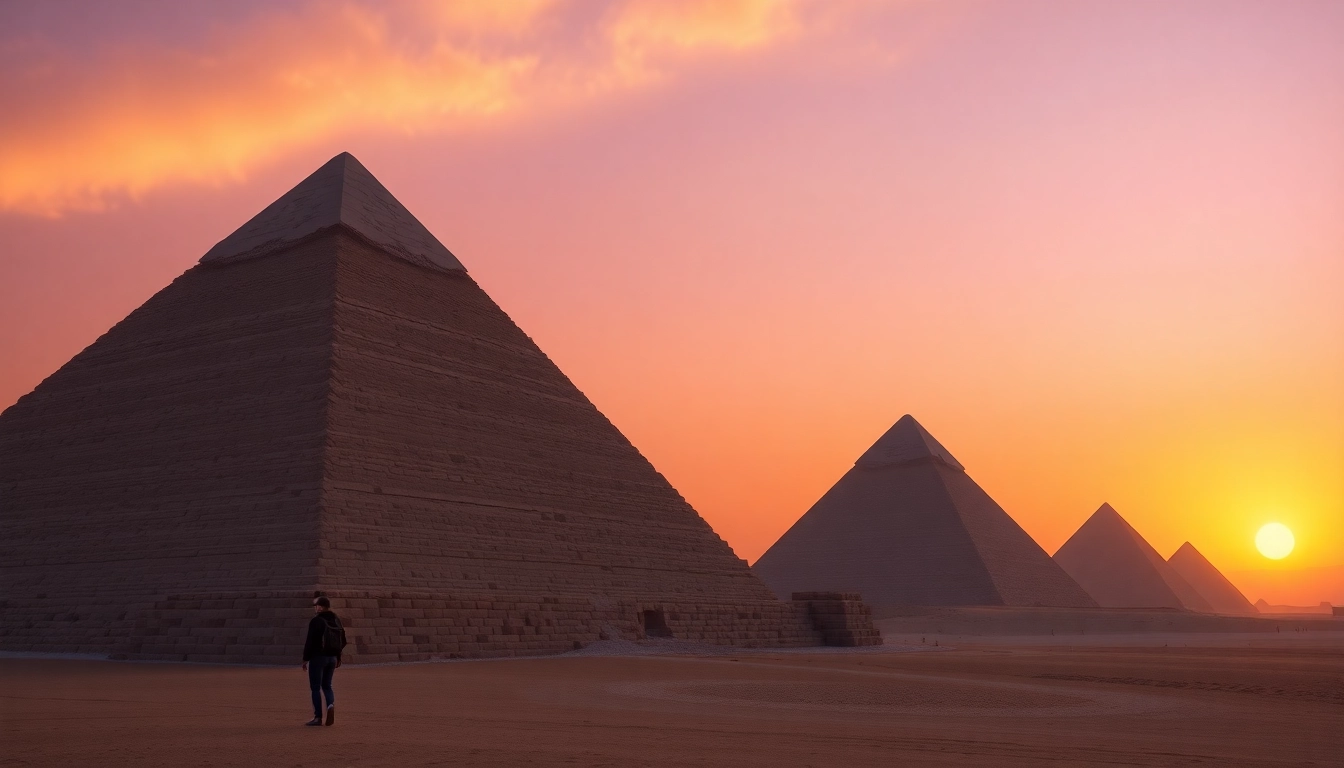
Understanding Pyraminds: An Ancient Architectural Marvel
The Origins of Pyraminds
The piraminds, synonymous with ancient Egyptian civilization, have long captivated the imagination of historians, architects, and travelers alike. These monumental structures predominantly served as tombs for pharaohs, symbolizing the living connection between the earth and the heavens. The earliest pyramid, the Step Pyramid of Djoser at Saqqara, was built during the Third Dynasty, showcasing the evolution of architectural techniques and a shift in burial practices from mastabas (flat-roofed structures) to monumental structures designed for eternity.
The transition from mastabas to pyramids represented not only a physical but also a cultural evolution, where ancient Egyptians began to elaborate their religious beliefs in the afterlife. This architectural trend is evident in the Grand Pyramid of Giza, one of the Seven Wonders of the Ancient World, designed for Pharaoh Khufu, which reflects an impressive feat in terms of skill, labor, and planning.
The Architectural Design and Techniques Used
The design of the piraminds embodies a profound understanding of geometry and astronomy. The Great Pyramid at Giza, for instance, is oriented with incredible precision towards the cardinal points, illustrating the ancient Egyptians’ advanced knowledge of the cosmos. The architectural layout typically includes a square base with four triangular sides that converge at a point, embodying the concept of a stairway to the heavens for the pharaoh.
Construction techniques have been widely discussed, with theories suggesting the use of a straight or circular ramp to move heavy limestone blocks, which weighed several tons each. Recent studies have indicated the possible utilization of water lubrication and wooden sledges, drastically reducing friction and easing transportation. The collaboration of skilled laborers, often seasonal workers who would return after the flooding of the Nile, helped in executing these massive projects, showcasing the societal organization and labor management techniques prevalent at the time.
Significance of Pyraminds in Ancient Cultures
Piraminds held immense significance in ancient Egyptian culture, serving as both funerary monuments and expressions of spiritual beliefs. They were designed to facilitate the journey of the pharaoh into the afterlife, designed as places for the deceased to dwell in eternity. The larger and more elaborate the pyramid, the greater the status and divine favor that was conferred upon the ruler.
Moreover, these monumental structures reflected the socio-political landscape of ancient Egypt. The construction of pyramids was a communal effort that demonstrated the collective strength and unity of civilization, reinforcing a sense of identity among the people. Their enduring legacy continues to inspire awe and scholarly interest, as they remain a central symbol of ancient Egyptian religious practices.
The Cultural Impact of Pyraminds
Piraminds in Literature and Art
The legacy of pyramids transcends mere construction; they have been sources of inspiration in literature and art for centuries. Classical texts, such as those by Herodotus and Pliny the Elder, provide some of the earliest discussions on the grandeur of the Egyptian pyramids. They portrayed not just physical structures but also invoked themes of divine connection, mortality, and the afterlife.
In contemporary literature, pyramids often symbolize mystery and the ancient world's enduring allure. They appear in various forms, from novels that explore their historical narratives to poetry that captures their majestic essence. Artists have frequently included pyramids in their works, underscoring their architectural beauty and the cultural significance they embody.
Modern Interpretations and Misunderstandings
Despite extensive research, many misconceptions persist about the piraminds. The portrayal of pyramid construction often leans into the realm of the supernatural or hypothesizes alien technology, overshadowing the adept engineering and human perseverance that enabled their existence. This mythologization detracts from the remarkable achievements of ancient builders, who operated with limited resources yet accomplished extraordinary feats.
Modern interpretive frameworks also involve viewing the pyramids through the lens of cultural and historical heritage rather than just as archaeological artifacts. They are seen as an emblem of human achievement, igniting discussions about advances in architecture and engineering that influence contemporary building practices.
Global Influence of Pyramind Structures
The influence of piramind architecture has extended beyond Egypt, inspiring various cultures worldwide. Structures resembling pyramids can be found in Mesoamerica, such as the Pyramid of the Sun in Teotihuacan and the pyramids of the Maya. These structures, while different in design and purpose, reflect a shared understanding of monumental architecture as a means to connect the spiritual and earthly realms.
Additionally, the global fascination with pyramids has led to their incorporation into modern architecture, demonstrating their timeless aesthetic and structural significance. Contemporary architects often draw inspiration from traditional designs, marrying ancient principles with modern technology in the creation of landmark buildings.
Exploring the Construction Methods of Pyraminds
Materials Used in Building Pyraminds
The primary materials used in the construction of pyramids included limestone, granite, and basalt. Limestone was predominantly used for the outer casing, providing a distinct brilliance that reflected sunlight. The inner chambers often featured red granite, transported from quarries far in the south, emphasizing both the economic capabilities and resourcefulness of the ancient Egyptians.
Recent research has revealed the use of blocks fashioned in various sizes and intricacies, leading to improved stability and durability. The sheer magnitude of materials required for construction signifies the advanced logistics and transport systems that were necessary, including the planning of labor and materials to coincide with seasonal cycles.
Technological Advancements in Ancient Egypt
The Egyptians exhibited remarkable ingenuity in their construction methods, which have inspired countless innovations over the centuries. Techniques such as corbel arching and advanced surveying methods demonstrate a high level of sophistication in understanding structural principles. The use of simple machines like levers and ramps allowed for efficient movement and positioning of massive stones.
Furthermore, advancements in astronomy played a crucial role in the design and alignment of the pyramids with stars and constellations, which were essential to their religious beliefs. The intersection of practical engineering and cosmological inspiration highlights the rich context in which these structures were created.
The Role of Labor and Organization
The organization of labor for pyramid construction represents one of the most significant feats of management in ancient times. Contrary to popular belief that slaves built the pyramids, evidence suggests that a large workforce composed of skilled laborers—often seasonal workers—constructed these monuments. This workforce was well-organized, receiving food, shelter, and medical assistance in return for their labor.
Archaeological findings at worker's villages near Giza reveal insights into the daily lives of these laborers, including their specialized skills and social structures. The infrastructure developed for labor organization not only illustrates the efficiency of ancient Egyptian society but also their commitment to monumental construction as a key element of cultural identity.
Myths and Facts Surrounding Pyraminds
Common Misconceptions
Several myths continue to influence public perception of pyramids. One prevalent belief is that they were constructed by slaves, which has been debunked by archaeological evidence pointing to a workforce of skilled laborers. Another misconception is that the pyramids served solely as tombs; while they did function as burial sites, their roles encompassed broader religious and ceremonial importance.
Additionally, some speculate that pyramids were designed with advanced technology far beyond their time; current archaeological understanding suggests their construction relied on considerable human effort, ingenuity, and societal organization rather than extraterrestrial influence.
Evidence from Archaeological Studies
Archaeological discoveries continuously reshape our understanding of pyramids. Excavations in workers' villages and nearby quarries have unearthed tools, living quarters, and records that reveal the sophisticated logistical and administrative networks supporting pyramid construction. This evidence substantiates the narrative of organized labor and shared cultural devotion at play in the pyramids' creation.
Moreover, ongoing studies involving cutting-edge technology, such as cosmic ray muons and laser scanning, provide new insights into internal structures and potential hidden chambers, offering the promise of revealing even more about these enigmatic monuments.
Mysteries Yet to Be Solved
Despite centuries of research, many mysteries surrounding the pyramids remain unresolved. Questions regarding the precise methods used to transport the massive stone blocks over great distances continue to perplex experts. Additionally, the precise motivations behind some architectural choices and the layout of pyramid complexes urge speculation and further inquiry.
As improvements in technology advance archaeological methodologies, it is hoped that contemporary research will illuminate these remaining enigmas, deepening our comprehension of ancient Egyptian civilization and its architectural marvels.
Visiting Pyraminds: A Guide for Travelers
Best Times to Visit Pyraminds
The optimal time to visit piraminds typically aligns with the cooler months, from November to March, when temperatures are more bearable, allowing visitors to explore these wonders comfortably. Early morning visits can also enhance the experience, as the pyramids are often less crowded and the sunrise casts a stunning glow over the structures.
It is advisable to plan visits during off-peak tourism seasons to avoid large crowds and fully appreciate the historical significance of these monuments. Additionally, respecting local customs and religion will enrich the travel experience.
What to Expect at Popular Pyramind Sites
Visitors to popular piramid sites can anticipate more than just awe-inspiring structures; guided tours are available to provide deeper insights into historical context and architectural details. Sites often feature helpful amenities, including information centers and shops selling souvenirs and local crafts.
Engaging with knowledgeable guides can also enhance the experience, as they share stories and facts that bring the ancient world to life beyond the stone facades.
Respecting Cultural Heritage While Visiting
Understanding and respecting the cultural significance of piraminds is paramount during visits. Travelers should familiarize themselves with local customs and adhere to rules set forth by authorities, ensuring that the integrity of these historical sites is maintained. Actions such as avoiding vandalism and respecting sacred spaces highlight a commitment to preserving the legacies of those who built these magnificent structures.
By embracing a respectful and knowledgeable approach, visitors can contribute to the ongoing stewardship of these irreplaceable cultural treasures.
FAQs About Piraminds
What are the pyramids primarily known for?
The piraminds are primarily known as ancient tombs for pharaohs, reflecting their religious beliefs and status in ancient Egyptian civilization.
When were the piraminds built?
Piraminds were built predominantly during the Old and Middle Kingdoms of ancient Egypt, with the most famous ones constructed around 2600 to 2500 BCE.
Why were the pyramids constructed in a particular shape?
The pyramid shape symbolized the rays of the sun, serving as a ladder for the pharaoh's soul to ascend to the heavens and join the gods in the afterlife.
Can visitors enter the piraminds?
Many piraminds allow limited access to their internal chambers, but safety regulations often restrict entry to protect both the site and visitors.
What are some common myths about the pyramids?
Common myths include the belief that slaves built the pyramids and that they were purely tombs, ignoring their broader cultural significance and construction methods.