Understanding the Role of Glass Machine Suppliers
In the ever-evolving landscape of glass manufacturing, selecting the right glass machine suppliers is paramount. These suppliers serve as the backbone of production, providing the essential machinery that drives efficiency, quality, and innovation. From cutting-edge technology to reliable service, a reputable glass machine supplier can significantly impact every stage of the manufacturing process, ensuring that operations run smoothly and meet the increasing demands of the market.
Key Equipment and Technologies Offered
Glass machine suppliers typically offer a wide array of equipment crucial for various stages of glass processing. Essential machinery includes:
- Insulating Glass Production Lines: These lines are designed to produce energy-efficient insulating glass units (IGUs), integral for modern architecture.
- Glass Washing Machines: Ensuring cleanliness before further processing, these machines remove contaminants that can affect quality.
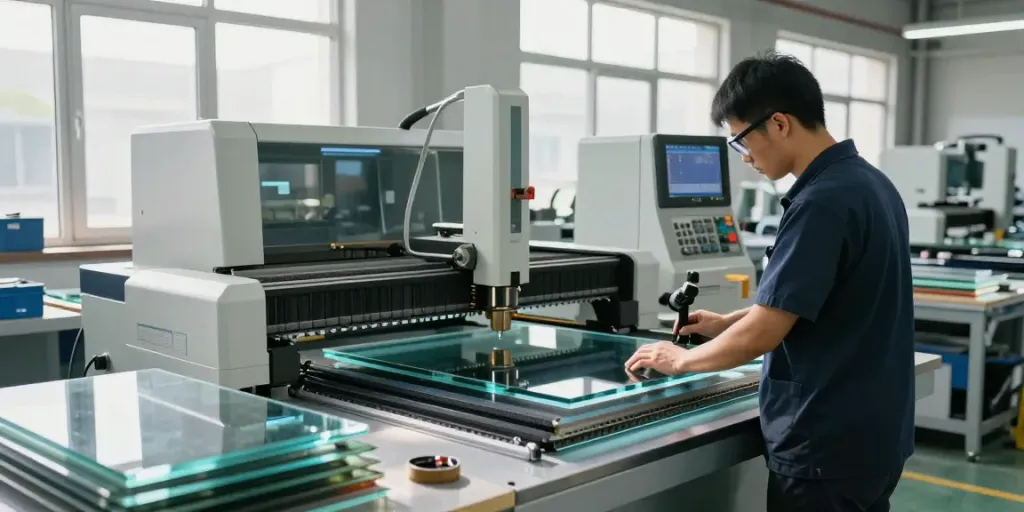
- Glass Cutting Machines: Precision in cutting is critical; advanced cutting machines minimize waste and enhance accuracy.
- Edge Polishing Machines: For aesthetic and safety purposes, these machines smooth and finish glass edges, making them suitable for various applications.
- Glass Laminating Machines: Used to enhance safety and sound insulation, these machines bond multiple glass layers with interlayers.
- Glass Drilling Machines: Essential for creating holes in glass for fittings, drilling machines offer precision and efficiency.
The Impact of Quality Machinery on Production
Investing in high-quality machinery is crucial for any glass manufacturing operation. Quality equipment not only increases throughput but also reduces rework and wastage, leading to higher profit margins. For example, a well-calibrated glass cutting machine can achieve cuts with a tolerance of mere millimeters, significantly reducing scrap material and boosting overall productivity.
Challenges Faced by Glass Manufacturers
While the right machinery can significantly enhance production capability, glass manufacturers often face various challenges in selecting and maintaining their equipment.
Common Obstacles in Machinery Selection
Choosing the appropriate machinery can be daunting due to the diverse range of options available. Factors such as production capacity, technological compatibility, and specific glass types must be considered. Manufacturers must also evaluate the total cost of ownership, which includes maintenance, energy consumption, and the potential for upgrades as technology evolves.
Addressing Maintenance and Downtime Issues
Regular maintenance is vital for keeping machinery operational and minimizing downtime. A proactive maintenance strategy can extend the lifespan of machines, reduce unexpected failures, and ultimately save money. For example, implementing an automated monitoring system can help detect issues before they become serious, allowing for timely interventions.
Overcoming Cost Constraints in Equipment Investment
Budget constraints often limit manufacturers' ability to invest in state-of-the-art machinery. However, many suppliers offer financing options or leasing plans that make upgrading feasible without substantial upfront costs. Additionally, exploring used or refurbished machines can provide significant savings while still meeting production needs.
Best Practices for Choosing Glass Machine Suppliers
To navigate the complexities of machinery selection, manufacturers should adopt best practices when evaluating potential suppliers.
Evaluating Supplier Credentials and Experience
When assessing suppliers, consider their industry experience and the credentials of their equipment. Suppliers with a proven track record of success in the glass manufacturing sector are more likely to provide reliable machinery and support.
Assessing Technical Support and Customer Service
Excellent technical support is critical for minimizing downtime and ensuring that machinery operates at peak performance. Before settling on a supplier, inquire about their customer service policies and support options, including availability of spare parts and technician responsiveness.
Importance of Supplier Reputation and Reviews
Researching supplier reputation through customer reviews and industry testimonials can provide insight into their reliability and quality of service. Engaging with existing customers through forums or industry events can also yield valuable information about a supplier's performance.
Emerging Trends in Glass Manufacturing Technology
The glass manufacturing industry is continually evolving, with new technologies influencing production methods and efficiency.
Innovations in Automation and Efficiency
Automation is a key trend in glass manufacturing, enabling faster and more accurate production. Robotic arms, for instance, are increasingly used for tasks like handling and sorting glass, which minimizes human error and speeds up operations.
Environmental Considerations in Machinery
As sustainability becomes a priority, suppliers are incorporating environmentally friendly technologies. Energy-efficient machines that reduce waste and optimize resource use are gaining traction in the market.
Future-Proofing Your Glass Manufacturing Operations
Investing in adaptable machinery that can accommodate future technologies is crucial for long-term success. Manufacturers should seek equipment that allows for easy upgrades and integration with emerging technologies.
Measuring Success with Glass Machinery Investments
To understand the effectiveness of machinery investments, manufacturers must establish clear metrics for success.
Key Performance Indicators for Machinery Efficiency
Important KPIs include production speed, defect rates, and overall equipment effectiveness (OEE). Regularly monitoring these metrics can help manufacturers identify areas for improvement and assess the return on their machinery investments.
Analyzing Return on Investment (ROI)
Calculating the ROI on machinery investments involves more than just comparing initial costs. Factors such as improved efficiency, reduced labor costs, and increased product quality must also be considered to gain a comprehensive view of the financial impact.
Case Studies Showcasing Successful Implementations
Studying successful implementations of glass machinery can provide valuable insights. For instance, a case study of a company that upgraded to a modern glass washing machine may show significant reductions in labor costs and increases in production efficiency, serving as a model for other manufacturers.