Understanding Machined Stainless Steel Parts
Machined stainless steel parts are integral components in various industries, renowned for their durability, corrosion resistance, and versatility. These precision-engineered parts are crafted through advanced machining processes, ensuring they meet stringent specifications for performance and reliability. As industries evolve, the demand for high-quality, machined stainless steel parts continues to rise, reflecting the importance of these components in applications ranging from aerospace to medical devices.
What Are Machined Stainless Steel Parts?
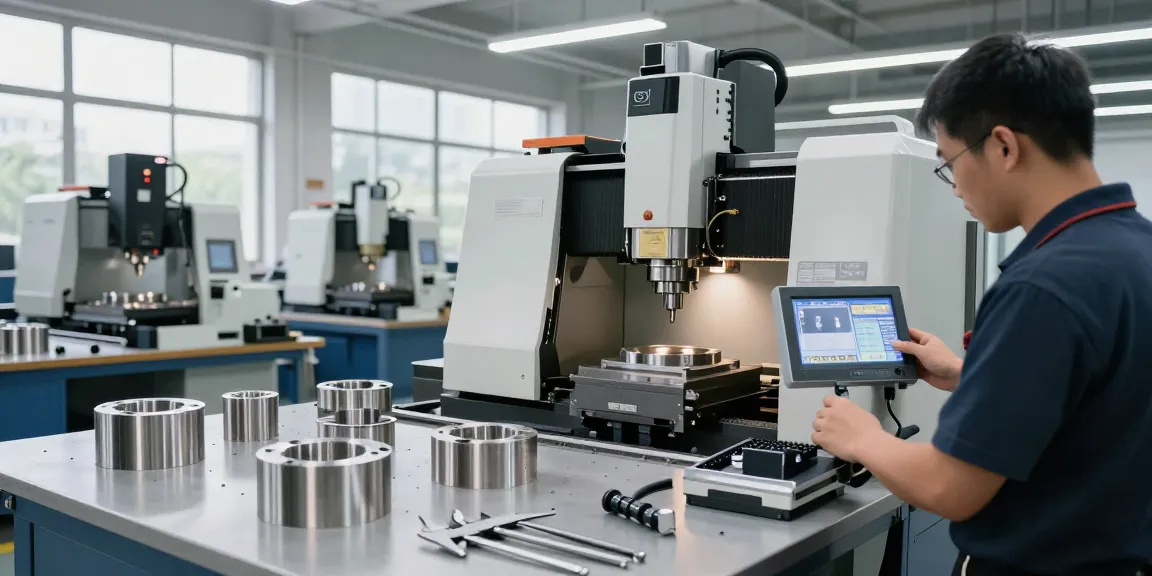
Machined stainless steel parts are components created through machining methods, where material is removed from a solid block of stainless steel to achieve the desired shape and dimensions. Techniques such as CNC (Computer Numerical Control) milling, turning, and drilling are commonly employed. These methods ensure that the final product demonstrates exceptional precision and surface finish, critical in applications where tolerances are tight.
Stainless steel, an alloy primarily composed of iron, chromium, and nickel, is selected for its unique properties, which include:
- Corrosion Resistance: Stainless steel is highly resistant to rust and corrosion, making it suitable for use in harsh environments.
- Strength and Durability: It provides excellent tensile strength, ensuring components can withstand substantial loads and stresses.
- Versatility: Available in various grades, stainless steel can be tailored for specific applications, such as 304 for general use or 316 for marine environments.
Common Applications in Various Industries
The applications of machined stainless steel parts span numerous sectors, showcasing their versatility and reliability. Some notable industries include:
- Aerospace: Components such as brackets, fittings, and engine parts utilize stainless steel for its lightweight and strength properties.
- Medical: Surgical instruments and implants are often made from stainless steel due to its biocompatibility and cleanliness.
- Automotive: Exhaust systems and engine components leverage stainless steel's durability and resistance to extreme conditions.
- Food Processing: Equipment and fixtures in the food industry benefit from stainless steel's resistance to corrosion and easy cleaning capabilities.
Key Trends Shaping the Machining Industry
Impact of Automation on Machined Stainless Steel Parts
Automation is revolutionizing the manufacturing landscape, particularly in machining processes. The integration of robotics and AI in production lines enhances efficiency and precision in creating machined stainless steel parts. Automated systems minimize human error, optimize material utilization, and streamline production workflows, significantly reducing lead times. Companies investing in automation stand to gain a competitive edge, offering high-quality parts rapidly while cutting operational costs.
Emerging Technologies in CNC Machining
Continuous advancements in CNC technology are setting new standards for precision machining. Innovations such as multi-axis machining, 3D printing of stainless steel, and adaptive machining processes allow for complex geometries and improved accuracy. These technologies not only enhance the capabilities of manufacturers but also enable the production of lightweight, intricate designs that were previously challenging to achieve.
Sustainability Practices in Stainless Steel Machining
Sustainability is becoming increasingly vital in the machining industry. Manufacturers are focusing on eco-friendly practices, such as:
- Recycling: Stainless steel is 100% recyclable, allowing for reduced waste and conservation of resources.
- Energy Efficiency: Investing in energy-efficient machinery and renewable energy sources minimizes the environmental impact of machining operations.
- Reducing Waste: Lean manufacturing techniques aim to minimize waste throughout the production process, increasing sustainability.
Challenges Faced by Manufacturers
Cost Management Strategies in CNC Machining
Despite the benefits of machining stainless steel, manufacturers face several challenges, particularly regarding cost management. Fluctuations in raw material prices, labor costs, and the need for high-quality equipment can strain budgets. Strategies to mitigate these challenges include:
- Supplier Relationships: Establishing strong relationships with suppliers can lead to better pricing and availability of materials.
- Investing in Technology: Upgrading to advanced machining technologies can reduce operational costs over time by increasing productivity and decreasing waste.
- Workforce Training: Ensuring that employees are well-trained in using modern machinery can lead to faster production rates and fewer errors.
Addressing Material Limitations and Workability
While stainless steel is favored for its properties, it poses challenges in machining due to its strength and toughness. Manufacturers must be equipped to handle:
- Tool Wear: The hardness of stainless steel can lead to rapid tool wear; thus, investing in high-quality cutting tools is crucial.
- Heat Generation: Machining processes can generate excessive heat, necessitating effective cooling methods to prevent distortion and damage.
- Chip Management: Effective chip removal strategies must be in place to maintain machining efficiency and surface finish.
Overcoming Production Lead Time Issues
Manufacturers often struggle with lead times, especially when demand fluctuates. Solutions include:
- Streamlining Processes: Analyzing and refining production workflows can reduce bottlenecks.
- Implementing Just-in-Time (JIT) Strategies: JIT practices can lower inventory costs while ensuring timely delivery of parts.
- Flexible Manufacturing Systems: Adopting systems that can easily adjust to varying production volumes will enhance responsiveness to market changes.
Best Practices for Machining Stainless Steel Parts
Optimizing Tool Selection for Precision Machining
Choosing the right tools is fundamental for achieving precision when machining stainless steel. Factors to consider include:
- Tool Material: Carbide tools are often favored for their durability and ability to maintain sharpness.
- Coating: Coated tools can reduce friction and enhance performance by minimizing wear.
- Geometry: The design of cutting tools must be optimized for stainless steel to improve efficiency and surface finish.
Implementing Quality Control Measures
Quality control is paramount in ensuring that machined parts meet required specifications. Effective measures include:
- Regular Inspections: Employing techniques such as dimensional inspections and surface roughness measurements helps maintain quality standards.
- Statistical Process Control (SPC): Using SPC techniques to monitor production processes can identify trends and variations, facilitating timely corrective actions.
- Certification: Obtaining relevant industry certifications ensures compliance with quality standards and builds customer trust.
Enhancing Efficiency through Process Optimization
Efficiency drives profitability in machining. Strategies to enhance operational efficiency include:
- Process Mapping: Analyzing workflows to identify inefficiencies and areas for improvement can lead to significant time savings.
- Lean Manufacturing: Implementing lean principles focuses on value creation while minimizing waste, increasing overall productivity.
- Continuous Improvement: Encouraging a culture of continuous improvement fosters innovation and responsiveness to changing demands.
Future Outlook for Machined Stainless Steel Parts
Predicted Developments in Material Science
The future of machined stainless steel parts is promising, with advancements in material science anticipated to enhance properties further. Researchers are exploring new alloys and composite materials that may offer improved strength-to-weight ratios, corrosion resistance, and machinability. These developments will likely expand the applications of stainless steel parts in demanding environments.
Forecasting Market Demand in 2026 and Beyond
Market forecasts indicate that the demand for machined stainless steel parts will continue to grow, driven by trends in sustainable manufacturing, advancements in technology, and the increasing need for high-performance components across various industries. As industries evolve, those who adapt to new technologies and market demands will find themselves at a competitive advantage.
Strategic Insights for Competitors in the Industry
For manufacturers competing in the machining industry, it is crucial to focus on innovation, quality, and efficiency. Continuous investments in technology and workforce training will equip businesses to meet the rising challenges and enhance their market positions. Additionally, establishing collaborative partnerships within the industry can facilitate knowledge sharing and technological advancements.
How Will Automation Influence the Future of Machining?
As automation technologies become more refined, their influence on machining processes will likely increase. Companies leveraging automation can expect enhanced precision, reduced labor costs, and improved production rates. The trend towards smart factories will reshape the competitive landscape, creating opportunities for manufacturers ready to embrace these changes.