The Importance of Roof Cleaning
Maintaining the integrity of your roof is crucial for preserving the safety and appearance of your home. Roof cleaning is often an overlooked aspect of home maintenance, but it's an essential practice that can significantly extend the lifespan of your roofing materials while enhancing curb appeal. Regular roof cleaning not only prevents structural damage but also saves homeowners money in the long run by avoiding costly repairs.
When exploring options, roof cleaning provides comprehensive insights into maintaining a healthy roofing system. In this article, we’ll dive deep into the benefits of roof cleaning, the methods available, signs that indicate a cleaning is overdue, and the differences between professional services and DIY approaches.
Understanding Roof Cleaning Benefits
Roof cleaning comes with a myriad of benefits that go beyond aesthetics. The most prominent advantages include:
- Prolonged Lifespan: Clean roofs can last significantly longer, as debris can cause corrosion and decay.
- Improved Energy Efficiency: A clean roof reflects sunlight better, reducing the heat absorbed by your home and lowering energy bills.
- Enhanced Curb Appeal: A well-maintained roof contributes to overall property value, making your home more attractive to potential buyers.
How Roof Cleaning Extends Lifespan
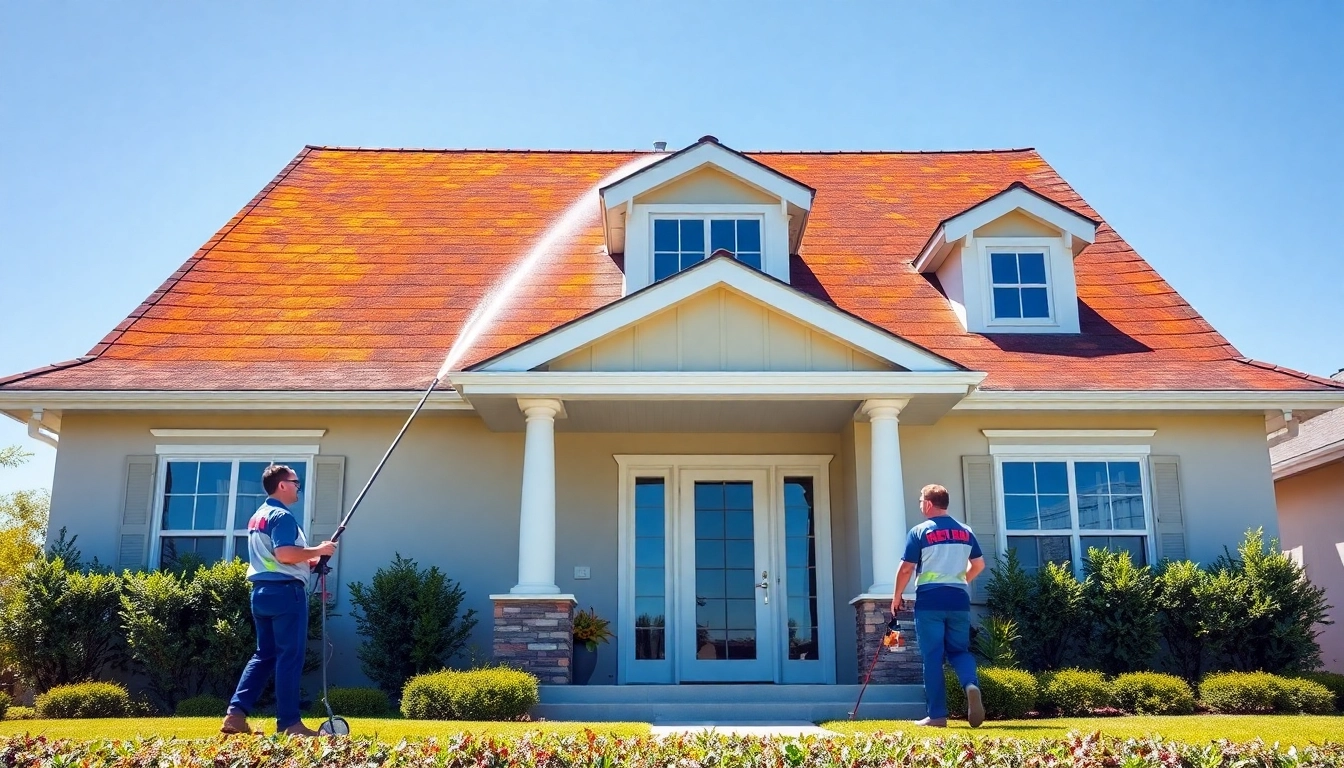
Regular cleaning removes harmful substances such as mold, mildew, algae, and lichen that can weaken roofing materials. By addressing these issues promptly, homeowners can prevent costly repairs or replacements. For instance, soft washing techniques not only clean but also treat the roof, killing mold spores at their source.
Common Misconceptions about Roof Cleaning
Despite its benefits, roof cleaning is often surrounded by misunderstandings. Some common myths include:
- It’s unnecessary: Homeowners may believe that if their roof looks fine, it doesn't require cleaning, but hidden mold can be damaging.
- Pressure washing is always safe: Not all roofs can withstand high-pressure cleaning, which can lead to damage.
- DIY cleaning is sufficient: While some may attempt to clean their roof themselves, professional services ensure thorough cleaning without risk to the roof's integrity.
Different Roof Cleaning Methods
Soft Washing vs. Pressure Washing
Understanding the right cleaning method for your roof is paramount. Pressure washing uses high pressure to remove dirt but can damage shingles. In contrast, soft washing employs a low-pressure system with specialized cleaning agents that safely eliminate contaminants without hurting the roof.
Eco-Friendly Cleaning Solutions for Roofs
With a growing emphasis on sustainability, many companies are now using eco-friendly cleaning solutions. These biodegradable agents effectively clean without causing harm to the environment, ensuring that runoff doesn’t contaminate local waterways.
Choosing the Right Method for Your Roof Type
Different roofing materials require different cleaning methods. For instance:
- Asphalt Shingles: Best cleaned with soft washing to prevent granule loss.
- Tile Roofs: Can typically handle pressure washing but should be approached with caution.
- Metal Roofs: Usually benefit from soft washing to prevent rust.
Signs Your Roof Needs Cleaning
Identifying Algae and Mold Growth
Algae appears as dark streaks, while mold can create patches that indicate more severe problems underneath. These issues should be addressed promptly to avoid costly repairs.
Assessing Roof Discoloration
Any significant discoloration can be a sign of algae or dirt buildup. Homeowners should regularly inspect their roofs, especially in humid climates like Florida.
Knowing When to Schedule a Professional Cleaning
Most experts recommend having your roof cleaned every 1-3 years, depending on environmental factors. However, if you notice any of the signs mentioned, it's wise to schedule a cleaning sooner.
DIY vs. Professional Roof Cleaning
Advantages of Hiring Professionals
Professionals bring expertise, equipment, and safety measures that surpass what a homeowner can achieve on their own. They can identify issues that may need further attention, ensuring your roof is cared for comprehensively. Additionally, professional services often come with warranties ensuring customer satisfaction.
DIY Roof Cleaning: What You Need to Know
If you consider cleaning your roof yourself, make sure to research the proper techniques and safety measures. However, be aware that without the right equipment or cleaning solutions, the outcome may not be satisfactory. Using the wrong pressure can damage the roofing materials, leading to expensive repairs.
Cost Comparison: DIY vs. Professional Services
While DIY cleaning may seem cost-effective, professional services tend to provide better results. The average cost for professional roof cleaning generally ranges from $300 to $1,000, depending on the roof size and type. DIY projects may save money upfront but can lead to higher costs if mistakes occur.
Future Trends in Roof Cleaning
Innovations in Cleaning Technology
As technology evolves, so do the techniques used in roof cleaning. Innovations like drone technology for inspections and improved biodegradable cleaning agents are becoming more prevalent. These advancements not only enhance the effectiveness of cleaning but also improve safety and efficiency.
Environmental Considerations and Best Practices
With the rise in eco-consciousness, best practices now often include water reclamation methods in commercial cleaning businesses to minimize environmental impact. This practice ensures that water used during cleaning is captured and reused, reducing waste.
Predictions for the Roofing Industry in 2025
Looking into the future, the roofing industry is expected to increasingly focus on sustainable materials and smart technology integrations. Innovations in both roof design and cleaning practices will continue to evolve, ensuring homes remain protected and well-maintained.