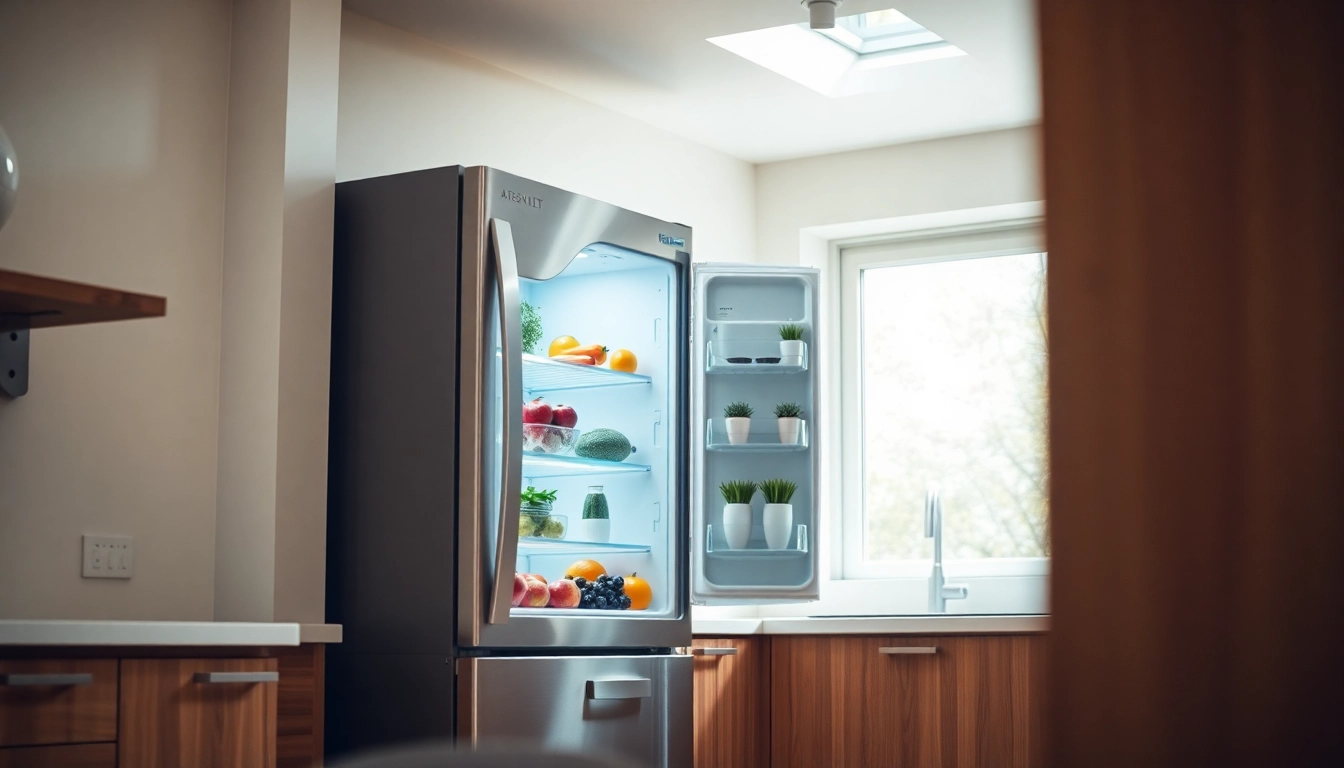
Understanding Different Types of Refrigerators
Choosing the right refrigerator for your home can be overwhelming, especially with the variety of models available. Each type offers unique features that cater to different lifestyles, kitchen layouts, and storage needs.
Top-Freezer Refrigerators
Top-freezer refrigerators are a traditional favorite, featuring the freezer section at the top and the refrigerator compartment below. This design maximizes vertical space and tends to have a more compact footprint, making it ideal for smaller kitchens. Additionally, it often provides maximum accessibility for items stored in the fridge.
Bottom-Freezer Refrigerators
Bottom-freezer refrigerators position the freezer drawer at the bottom, which can be more ergonomic for everyday use, as the refrigerator section is at eye level. This setup is perfect for those who frequently access chilled items while reserving frozen foods for less frequent retrieval. Sliding drawers in bottom-freezer models enhance organization and convenience.
Side-by-Side Refrigerators
Side-by-side refrigerators are designed with vertical compartments, allowing quick access to both frozen and fresh foods. They typically come with customizable shelving, wider doors, and built-in water and ice dispensers, offering a modern solution for homes with large families or a need for extensive storage capabilities.
Key Features to Consider When Buying a Refrigerator
When selecting a refrigerator, several key features can significantly impact your experience. Understanding these attributes helps ensure that you choose a model tailored to your needs.
Energy Efficiency Ratings
Energy efficiency is a crucial factor in modern refrigerators. Look for models that are ENERGY STAR certified, as they use less energy and can reduce your utility bills. Over time, an energy-efficient refrigerator can save you significant costs, making it an environmentally friendly choice as well.
Storage Capacity Needs
Assessing your household's storage needs is essential before buying a refrigerator. Consider the number of people in your home, your shopping habits, and the types of food you typically store. Larger families may benefit from models with larger capacities, while those with limited space might opt for compact styles.
Smart Features and Technology
Today's refrigerators can be equipped with smart technology, including touch screens, Wi-Fi connectivity, and even internal cameras to check contents remotely. These features enhance convenience, streamline grocery shopping, and help monitor usage in innovative ways. However, it's essential to balance these smart features with your actual needs and budget.
Maintaining Your Refrigerator for Longevity
Proper maintenance is vital to extend the lifespan and performance of your refrigerator. Regular care can prevent costly repairs and enhance efficiency.
Regular Cleaning Tips
Cleaning your refrigerator is essential for hygiene and functionality. Wipe down the inside with a mild cleaning solution every few months and discard expired items regularly. Don't forget to clean the condenser coils, which should be free of dust and debris to maintain efficiency.
Temperature Setting Recommendations
The ideal temperature setting for a refrigerator is between 35°F and 38°F (1.6°C and 3.3°C). Keeping your refrigerator at this range helps ensure food stays fresh while preventing spoilage. Meanwhile, freezers should stay at 0°F (-18°C) for optimal frozen storage.
Common Maintenance Issues
Some common issues may arise, such as malfunctioning doors, poor cooling performance, or leaks. Regularly checking door seals for cracks and replacing them as needed can significantly improve efficiency. Keeping an eye on the temperature settings can also prevent food spoilage.
Cost Factors for Refrigerators
Understanding the cost factors involved in purchasing and maintaining a refrigerator is essential to budgeting effectively.
Budgeting for Your Refrigerator
Refrigerator prices can vary significantly based on size, type, brand, and features. Establishing a clear budget can help narrow down options. It's essential to consider both initial costs and long-term expenses related to energy use and potential repairs.
Costs by Refrigerator Type
Different styles of refrigerators come at varying price points:
- Top-Freezer: $400 - $1,500
- Bottom-Freezer: $900 - $2,500
- Side-by-Side: $1,200 - $3,500
- French Door: $1,500 - $4,000
Potential Repair Costs
Repairs can be common, especially as refrigerators age. Routine issues may cost between $100 and $400, depending on the nature of the problem. Having a plan for repairs can help mitigate unexpected expenses.
Frequently Asked Questions About Refrigerators
What is the average lifespan of a refrigerator?
The average lifespan of a refrigerator is around 10 to 15 years, but this can vary based on usage and maintenance.
How often should I defrost my refrigerator?
If your refrigerator is not frost-free, it is advisable to defrost it when ice buildup exceeds a quarter-inch thickness to maintain efficiency.
Can I put hot food in the refrigerator?
It's best to let hot food cool down to room temperature before placing it in the refrigerator to avoid raising the internal temperature.
What temperature should a refrigerator be set at?
A refrigerator should be set between 35°F and 38°F (1.6°C and 3.3°C) to keep food fresh and safe.
How to avoid odors in my refrigerator?
Regular cleaning and using baking soda or activated charcoal can help absorb odors. Ensure to check for expired foods that may cause smells.